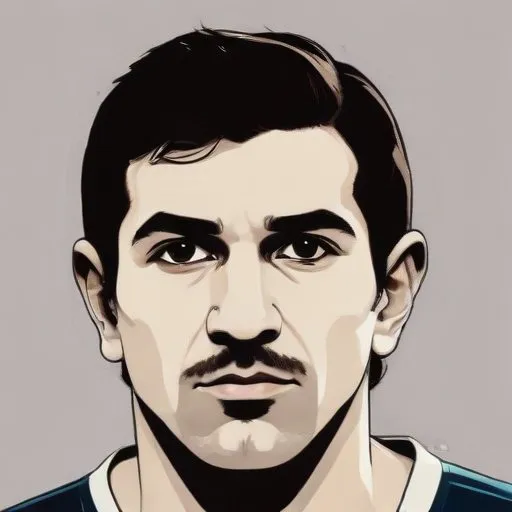
Giorgos Karagounis: The Greek Football Legend
A Shining Star in Greek Football
Giorgos Karagounis is a household name in Greek football, renowned for his exceptional skills on the field and his dedication to the sport. As the most capped player in the history of the Greece national team, Karagounis has left an indelible mark on the world of football.
Early Life and Career
Born on March 6, 1977, in Pyrgos, Greece, Karagounis began his professional career in 1996 with Panathinaikos, one of Greece's most iconic football clubs. He was loaned to Apollon Smyrnis for two seasons, where he showcased his talent as a dynamic midfielder with a knack for scoring goals. Upon his return to Panathinaikos in 1998, Karagounis became an integral part of the team, known for his tireless work rate, vision, and exceptional passing ability.
Club Career Highlights
Karagounis' impressive form at Panathinaikos earned him a move to Inter Milan in 2003, where he played alongside some of the world's top players. He later joined Benfica in 2005, before moving to Fulham in 2009, where he spent three seasons. Throughout his club career, Karagounis demonstrated his adaptability, versatility, and unwavering commitment to the beautiful game.
International Success
Karagounis' most notable achievement came in 2004, when he helped Greece win the UEFA European Championship (Euro 2004) in a stunning upset against host nation Portugal. This victory marked Greece's first major international title, and Karagounis was instrumental in the team's success. He went on to represent Greece at multiple international tournaments, including the World Cup and European Championship, earning a total of 139 caps for his country.
Awards and Honors
- UEFA Euro 2004 winner
- Most capped player in Greece national team history
- Named to the UEFA Team of the Year in 2004
Philosophy and Legacy
Karagounis' success on the pitch can be attributed to his dedication, perseverance, and passion for the sport. He has inspired a generation of Greek footballers, and his influence extends beyond the field. Karagounis is a testament to the power of hard work, discipline, and teamwork, and his legacy continues to inspire and motivate young athletes around the world.
Personal Milestones and Key Life Events
- Made his professional debut for Panathinaikos in 1996
- Moved to Inter Milan in 2003, marking his first abroad transfer
- Won the UEFA Euro 2004 with Greece
- Retired from professional football in 2014
Trivia and Fun Facts
- Karagounis scored a memorable goal against Manchester United at Old Trafford in the UEFA Champions League
- He was known for his iconic goal celebrations, often dedicating his goals to his family and fans
- Karagounis was praised for his humility and down-to-earth nature, earning him widespread admiration from fans and fellow players alike
As we reflect on Giorgos Karagounis' remarkable career, it is clear that his impact on Greek football and beyond has been profound. His dedication, passion, and talent have inspired countless individuals, and his legacy will continue to be celebrated for generations to come.
FAQ
What is Giorgos Karagouniss most notable football achievement?
Giorgos Karagounis is a former Greek footballer who won the Euro 2004 championship with the Greek national team, scoring three goals in the tournament.
What position did Giorgos Karagounis play?
Giorgos Karagounis was a midfielder who played in various roles, including central midfield, right midfield, and attacking midfield.
Which clubs did Giorgos Karagounis play for?
Giorgos Karagounis played for several clubs, including Panathinaikos, Inter Milan, and Fulham, in a career spanning over 15 years.
Has Giorgos Karagounis been involved in football management?
Yes, Giorgos Karagounis has worked as a football manager, serving as the assistant coach of the Greek national team and later becoming the manager of the Greece Under-21 team.
What is Giorgos Karagouniss current role in football?
Giorgos Karagounis is currently a football pundit and commentator, providing analysis and insights for Greek television broadcasts.