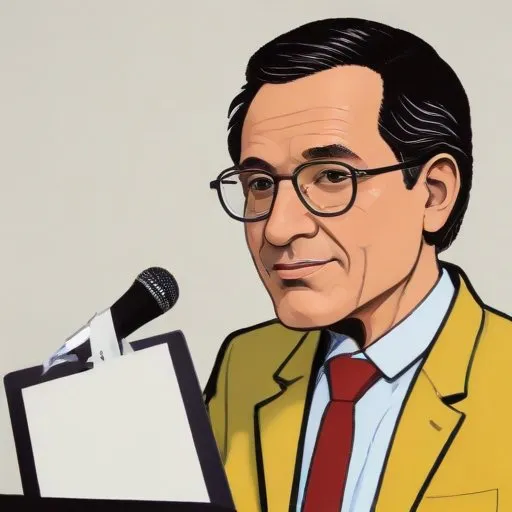
Guillermo Cano Isaza: The Fearless Voice of Colombian Journalism
A Life Dedicated to Uncovering the Truth
Guillermo Cano Isaza was a Colombian journalist who fearlessly criticized the drug cartels and corrupt politicians of his country, ultimately paying the ultimate price for his bravery. As the editor of El Espectador, one of Colombia's most respected newspapers, Cano Isaza was a thorn in the side of those who sought to silence the truth.
A Family Legacy of Journalism
Born on August 12, 1925, Cano Isaza was the heir to a journalistic legacy. His father, Fidel Cano Gutirrez, founded El Espectador, and Cano Isaza was destined to follow in his footsteps. Throughout his career, he worked on various sections of the paper, including bullfighting, sports, cultural, and political sections.
A Campaign Against Corruption
Cano Isaza's most notable campaign was his outspoken criticism of Colombia's drug barons and their influence on the country's politics. He launched a series of scathing editorials and investigations that exposed the corruption and violence perpetuated by the cartels. This campaign made him a target for those who sought to silence him.
Assassination and Legacy
On December 17, 1986, Cano Isaza was assassinated outside the offices of El Espectador. Two hitmen on a motorcycle shot him four times in the chest as he was leaving the building, and he died shortly before 7 pm. The attack was widely seen as a retaliation for his crusade against the drug cartels.
In the aftermath of his death, El Espectador's building was bombed, Cano Isaza's family lawyer was murdered, and the Cano family summer house was burned down. However, his legacy lived on, and in 1997, UNESCO created the UNESCO/Guillermo Cano World Press Freedom Prize in his honor.
Awards and Honors
- In 2000, Cano Isaza was named one of International Press Institute's 50 World Press Freedom Heroes of the 20th century.
- He was posthumously awarded the UNESCO/Guillermo Cano World Press Freedom Prize in 1997.
Impact on Modern Society
Cano Isaza's bravery and sacrifice have inspired generations of journalists to stand up against corruption and oppression. His legacy serves as a reminder of the importance of a free press in holding those in power accountable.
Personal Milestones and Key Life Events
- 1952: Became the editor of El Espectador.
- 1986: Assassinated outside the offices of El Espectador.
- 1997: UNESCO/Guillermo Cano World Press Freedom Prize established in his honor.
Quotes and Memorable Sayings
"Freedom of the press is not just a right, but a duty to inform and to denounce."
Cano Isaza's words continue to inspire journalists and freedom fighters around the world.
Historical Context and Legacy
Cano Isaza's life and legacy are a testament to the power of journalism to bring about change. His bravery in the face of overwhelming danger serves as a reminder of the importance of standing up against corruption and oppression.
Today, his legacy continues to inspire journalists and freedom fighters around the world, serving as a beacon of hope in the ongoing struggle for a free and independent press.
FAQ
What was Guillermo Cano Isazas journalistic career like?
Guillermo Cano Isaza was a prominent Colombian journalist who worked as the editor-in-chief of the newspaper El Espectador from 1952 until his death in 1986.
What were Guillermo Cano Isazas views on corruption?
Guillermo Cano Isaza was a vocal critic of corruption in Colombia, and his investigative reporting exposed several corruption scandals involving high-ranking government officials.
What was Guillermo Cano Isazas role in the fight against drug trafficking?
Guillermo Cano Isaza was a strong critic of the Medellín cartel and its leader Pablo Escobar, and his reporting helped to expose the cartels illegal activities.
How did Guillermo Cano Isaza die?
Guillermo Cano Isaza was assassinated on December 17, 1986, outside his newspapers offices in Bogotá, allegedly by hitmen hired by the Medellín cartel.
What is Guillermo Cano Isazas legacy in journalism?
Guillermo Cano Isaza is remembered as a courageous and pioneering journalist who risked his life to expose corruption and drug trafficking in Colombia.