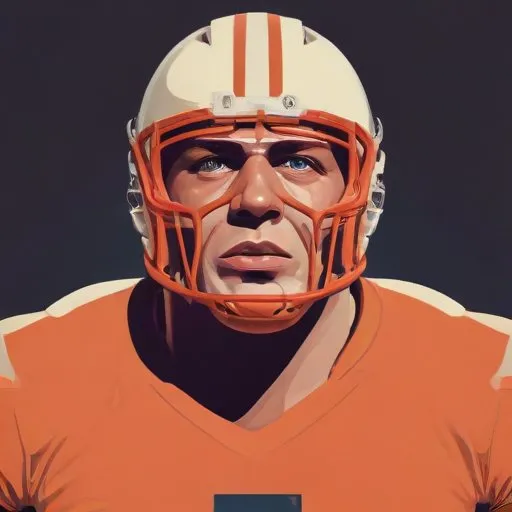
Gus Sonnenberg: The Trailblazing Athlete Who Redefined Wrestling
Gus Sonnenberg is renowned for being one of the earliest crossover athletes, excelling in both American football and professional wrestling. As a National Wrestling Association (NWA) world heavyweight champion, Sonnenberg left an indelible mark on the sport, introducing a new style of wrestling that captivated audiences nationwide.
Early Life and Football Career
Born on March 6, 1898, in Ewen, Michigan, Sonnenberg grew up on a farm in Green Garden, Michigan. He developed a passion for football at Marquette High School, where he played on the Upper Peninsula championship team in 1915. Sonnenberg went on to attend Dartmouth College in 1916, although he dropped out after his first year. He returned for a second year in 1919 before transferring to the University of Detroit Mercy, where he graduated.
In 1923, at the age of 25, Sonnenberg turned professional, playing in the National Football League (NFL) for the Buffalo All-Americans, Columbus Tigers, Detroit Panthers, and Providence Steam Roller. He was a member of the 1928 NFL championship team, showcasing his versatility and athleticism on the field.
Venturing into Professional Wrestling
While playing for the Providence Steam Roller, Sonnenberg was introduced to professional wrestling. He made his mat debut on January 24, 1928, at the Arcadia Ballroom in Providence, defeating Ivan Ludlow. Despite being a novice in the sport, Sonnenberg quickly gained popularity, thanks to his innovative style and signature move – the flying tackle.
Sonnenberg's impact on professional wrestling was profound. He challenged the conventional norms of the sport, bringing a new level of agility and athleticism to the ring. His matches became must-see events, drawing in crowds and propelling him to main event status.
Rise to Prominence and Championship Titles
Sonnenberg's success in wrestling led to a series of high-profile matches, including a challenge against world heavyweight champion Ed Strangler Lewis on June 30, 1928, at Boston Arena. Although he didn't emerge victorious, Sonnenberg's performance solidified his position as a force to be reckoned with in the sport.
Throughout his career, Sonnenberg held multiple championship titles, including the National Wrestling Association (NWA) world heavyweight championship. He continued to compete at an elite level, leaving an enduring legacy in the world of professional wrestling.
Legacy and Impact
Gus Sonnenberg's trailblazing career serves as a testament to his boundless energy, determination, and innovative spirit. He pioneered a new style of wrestling that captivated audiences and inspired generations of athletes. As a sports icon, Sonnenberg's influence extends beyond the realm of professional wrestling, inspiring athletes to push the boundaries of their abilities and challenge conventional norms.
Sonnenberg's remarkable journey, marked by his triumphs in both football and wrestling, has cemented his place as one of the most fascinating figures in American sports history. His fearless approach to competition and unwavering dedication to his craft continue to inspire athletes and enthusiasts alike, ensuring his legacy will endure for generations to come.
FAQ
What was Gus Sonnenbergs most notable athletic achievement?
Gus Sonnenberg was a two-time All-American football player at Dartmouth College, leading the team to a national championship in 1925.
What sports did Gus Sonnenberg play professionally?
Gus Sonnenberg played professional football and wrestling, competing in the National Football League and the American Wrestling Association.
What was Gus Sonnenbergs wrestling career like?
Gus Sonnenberg was a successful professional wrestler, holding several championships and competing against top wrestlers of his era.
How did Gus Sonnenbergs athletic career impact his later life?
Gus Sonnenbergs athletic career set him up for success in later life, including a career in coaching and sports administration.
What awards did Gus Sonnenberg receive for his athletic achievements?
Gus Sonnenberg was inducted into the College Football Hall of Fame in 1954, recognizing his outstanding contributions to the sport.