


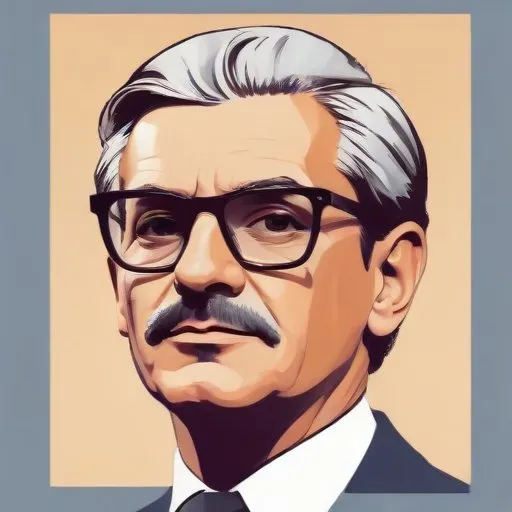
A pioneering Maltese architect and developer, renowned for transforming Malta's urban landscape with modernist designs and large-scale projects. His work blended functionality with aesthetics, shaping the country's architectural identity.
Gustavo R. Vincenti, a Maltese architect and developer, is renowned for his innovative and eclectic architectural style, which blended Art Nouveau, Art Deco, and Modernist elements. His remarkable creations, which spanned over five decades, transformed the urban landscape of Malta, leaving an indelible mark on the country's architectural heritage.
Born on August 26, 1888, into a wealthy and business-oriented family in Valletta and Floriana, Vincenti was exposed to the world of architecture from a young age. He pursued his passion, graduating as an architect from the University of Malta in 1911, at the age of 23.
Vincenti's early works showcased his fascination with Art Nouveau, Art Deco, and eclecticism, which he interpreted in an economic yet elegant way. His facades typically featured horizontal and vertical elements, creating a geometric and rigid feel, while maintaining an element of flow. Some of his notable works include:
His later works, such as the complex of four houses in Ta Xbiex, built in 1936, and his personal villa, Palazzina Vincenti, in St Julians, revealed a shift towards Modernism, influenced by Le Corbusier.
Vincenti's contributions to Maltese architecture are immeasurable. According to Edward Said, he was a great exponent of Art Nouveau and Art Deco architecture in Malta. His innovative style and approach to design paved the way for future generations of architects, leaving an enduring legacy in the country's architectural landscape.
Vincenti's personal life was marked by significant milestones, including the purchase of lands and building of houses in the 1920s and 1930s. His son, Hilaire Vincenti, inherited his passion for architecture and continued his father's legacy.
Gustavo R. Vincenti's remarkable life and works serve as a testament to his innovative spirit and dedication to architecture. His eclectic style, which blended different influences, created a unique and distinctive architectural identity for Malta, cementing his place as one of the country's most influential architects.
Born in 1911
Malta's 7th Prime Minister, a lawyer and politician, led the country's government and shaped its post-WWII development. He's known for his role in Malta's transition to independence and self-government.
Born in 1916
A Maltese journalist and politician who served as the 8th Prime Minister of Malta, known for his strong leadership and efforts to modernize the country. He played a key role in Malta's transition to independence from British rule.
92 Years Old
Malta's 7th President, a lawyer-turned-politician, led the country's transition to EU membership and economic growth. He's revered for his statesmanship and vision for a modern Malta.
73 Years Old
The 12th Prime Minister of Malta, serving from 2004 to 2013, is known for his economic reforms and EU membership negotiations. He played a crucial role in Malta's accession to the European Union.
52 Years Old
The 13th Prime Minister of Malta, a prominent figure in Maltese politics, known for his progressive policies and efforts to strengthen the country's economy. He resigned amid controversy surrounding a high-profile murder investigation.
93 Years Old
The 9th Prime Minister of Malta, serving from 1984 to 1987, known for his role in shaping Malta's economy and foreign policy during a period of significant change. He implemented various reforms and strengthened Malta's ties with the European Community.
