


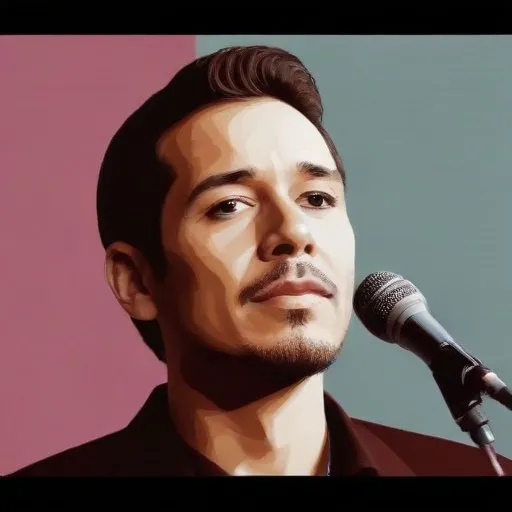
A singer and musicologist who popularized American folk music, particularly through his work with the Civil Rights Movement, and is credited with introducing "We Shall Overcome" as an anthem for the movement.
When the echoes of "We Shall Overcome" resonate through the annals of American history, one name stands out - Guy Carawan, the unsung hero who introduced this powerful protest song to the Civil Rights Movement. As a folk musician and musicologist, Carawan's contribution to the struggle for racial equality is etched in the very fabric of American music.
Born on July 28, 1927, in California to Southern parents, Carawan's childhood was a unique blend of cultural influences. His mother, a poet from Charleston, South Carolina, and his father, a veteran from North Carolina, instilled in him a deep appreciation for music and social justice.
Carawan's musical journey began with a bachelor's degree in mathematics from Occidental College and a master's degree in sociology from UCLA. However, it was his introduction to the Peoples Songs network, including Pete Seeger and The Weavers, that truly ignited his passion for folk music. This connection eventually led him to the Highlander Folk School in Tennessee, where he became the music director in 1959.
It was during his tenure at the Highlander Folk School that Carawan introduced "We Shall Overcome" to the Student Nonviolent Coordinating Committee (SNCC) in 1960. This union organizing song, based on a black spiritual, was originally a favorite of Zilphia Horton, the wife of the founder of the Highlander Folk School. Carawan's revival of the song not only reinvigorated its message but also cemented its place as an anthem of the Civil Rights Movement.
Carawan's music was characterized by his soulful voice, skillful banjo, guitar, and hammered dulcimer playing. He frequently performed and recorded with his wife, singer Candie Carawan, and occasionally with their son Evan Carawan, who played mandolin and hammered dulcimer. This family trio wove a rich tapestry of folk music that resonated with audiences across the nation.
Guy Carawan's impact on American music and the Civil Rights Movement is immeasurable. Through his tireless efforts, he brought people together, fostering a sense of community and social activism through the power of music. As a testament to his enduring legacy, "We Shall Overcome" continues to inspire generations, its message of hope and defiance remaining as relevant today as it was in the tumultuous 1960s.
As the echoes of "We Shall Overcome" continue to resonate through the ages, Guy Carawan's legacy serves as a poignant reminder of the transformative power of music and the indelible mark one individual can leave on human history.
Born in 1919
A legendary folk musician and social activist, known for his iconic banjo-playing and protest songs that inspired generations to take action for civil rights and environmental causes.
85 Years Old
A folk music icon, known for her soaring vocals and classic hits like "Diamonds & Rust," who used her platform to advocate for civil rights and social justice.
85 Years Old
A legendary musician and poet who transformed the music industry with his thought-provoking lyrics and distinctive voice, leaving an indelible mark on popular culture.
87 Years Old
A folk music icon, known for her soaring vocals and classic hits like "Both Sides Now" and "Send in the Clowns", blending traditional and contemporary styles.
88 Years Old
Acclaimed singer-songwriter and guitarist renowned for poignant, storytelling-style folk songs that often addressed social issues and politics, leaving a lasting impact on the genre.
Born in 1900
A folk singer-songwriter and activist who wrote socially conscious songs, including the iconic "Little Boxes," which critiqued suburban conformity. Her music addressed issues like war, poverty, and environmental degradation.
Born in 1914
A pioneering blues musician, known for his soulful voice, intricate guitar playing, and socially conscious songwriting, which addressed racism and inequality.
