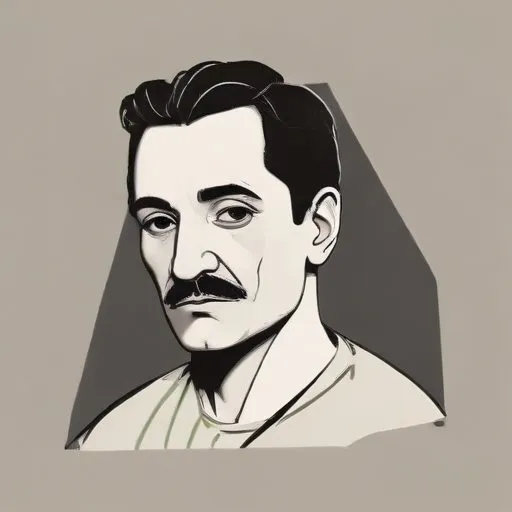
Gza Csth: The Hungarian Renaissance Man
A Pioneer in Multiple Fields
Gza Csth, born Jzsef Brenner, was a Hungarian polymath who made significant contributions to the world of literature, music, psychiatry, and medicine. He is best known for his work as a writer, playwright, musician, music critic, psychiatrist, and physician, earning him the title of a true Renaissance man.
Early Life and Education
Born on February 13, 1887, in Szabadka (now Subotica, Serbia), Csth demonstrated a talent for music and writing from a young age. He was barely fourteen when his first music critiques were published, and he went on to study medicine in Budapest, where he earned his degree as a medical doctor in 1909.
Medical Career and Writing
Csth's medical career was marked by his work as a junior doctor at the Psychiatric and Nerve Clinic (Moravcsik Psychiatric Hospital), where he drew inspiration for his novel,
Diary of a Mentally Ill Woman, based on his experiences as a psychiatric doctor. His writing career flourished alongside his medical practice, and he became known for his dark, yet insightful short stories that often explored themes of physical and mental violence.
Musical Contributions
Csth was an accomplished violinist and music theorist, and he was one of the first to recognize the genius of
Béla Bartók and
Zoltán Kodály. His music critiques and writings on music theory remain an essential part of Hungarian musical heritage.
Struggles with Addiction
In 1910, Csth began experimenting with morphine, which led to addiction. Despite his struggles, he continued to write and work as a doctor at various spas. During this period, he penned some of his most iconic short stories, characterized by their dark and introspective nature.
Personal Life and Marriage
In 1913, Csth married Olga Jns, and the couple's life was marked by Csth's ongoing struggles with addiction. In 1914, he was drafted into the army, where he served until his untimely death on September 11, 1919.
Legacy and Impact
Gza Csth's contributions to Hungarian literature and music are undeniable. His work continues to influence modern Hungarian writers and musicians, and his legacy extends beyond his native country. His unique blend of talents and his pioneering spirit have earned him a place as one of the most fascinating figures of the early 20th century.
Major Works
- Diary of a Mentally Ill Woman (novel)
- Tales which end unhappy (short story collection)
- Diary (autobiographical work)
Influence on Modern Society
Csth's writing and critiques continues to inspire new generations of writers, musicians, and artists. His innovative approach to exploring the human psyche through his writing has left a lasting impact on Hungarian literature and beyond.
Philosophical Contributions and Beliefs
Csth's work often explored the darker aspects of human nature, and his writing reflects his fascination with the human psyche and the effects of addiction. His philosophical contributions lie in his unique perspective on the human condition, which continues to resonate with readers today.
Visual Timeline and Milestones
- February 13, 1887: Born in Szabadka (now Subotica, Serbia)
- 1909: Earned degree as a medical doctor
- 1910: Began experimenting with morphine
- 1913: Married Olga Jns
- 1914: Drafted into the army
- September 11, 1919: Died
Trivia and Fun Facts
- Csth was a cousin of Dezs Kosztolnyi, a prominent Hungarian writer.
- He was an accomplished violinist and originally wanted to be a painter.