


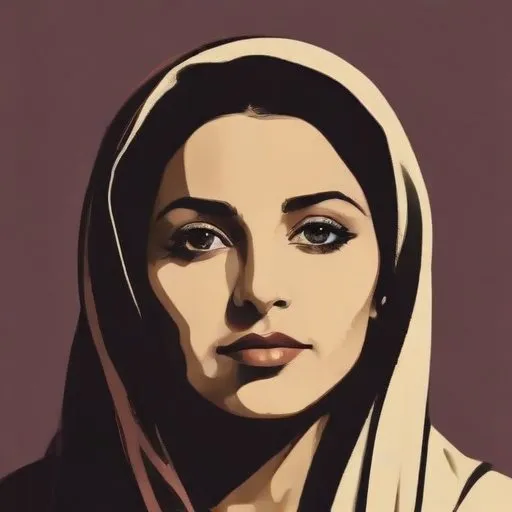
Saudi Arabia's first female filmmaker, known for breaking cultural barriers and challenging traditional norms through her thought-provoking and visually stunning films.
Haifaa alMansour is a household name in the Middle East, renowned for being one of the first female Saudi filmmakers to make a significant impact on the global cinematic landscape. Her groundbreaking films have not only challenged the conventions of Saudi Arabian society but have also resonated with audiences worldwide.
Born on August 10, 1974, in Al Zulfi, Saudi Arabia, Haifaa is the eighth of twelve children of the celebrated poet Abdul Rahman Mansour. Growing up in a conservative town, her family's love for films was met with judgment and threats from the local community. However, this did not deter her father from introducing her to the world of cinema, which would eventually become her passion.
Haifaa's early fascination with Jackie Chan's films led her to pursue a degree in comparative literature from The American University in Cairo. She later worked in an oil company and taught English before completing a master's degree in Film Studies from the University of Sydney, Australia.
Haifaa's filmmaking journey began with three critically acclaimed short films: Who, The Bitter Journey, and The Only Way Out. The latter won prizes in the United Arab Emirates and the Netherlands, setting the tone for her future success.
Her documentary Women Without Shadows (2005) shed light on the hidden lives of women in the Arab States of the Persian Gulf, earning her the Golden Dagger for Best Documentary at the Muscat Film Festival. The film was showcased at 17 international festivals, solidifying her position as a rising talent in the industry.
In 2012, Haifaa made history with her feature film Wadjda, becoming the first Saudi Arabian woman to direct a feature film. The movie tells the story of a young girl's quest to own a bicycle in a society where women are forbidden from riding them. Wadjda premiered at the Venice Film Festival and went on to receive critical acclaim worldwide, including an Academy Award nomination for Best Foreign Language Film.
Haifaa's work has been instrumental in challenging the status quo in Saudi Arabia, sparking conversations about women's rights, education, and social change. Her films have inspired a new generation of Saudi Arabian women to pursue careers in the arts, breaking down barriers and pushing for greater representation in the industry.
Through her work, Haifaa has consistently emphasized the importance of storytelling as a tool for social change. She believes that films have the power to humanize complex issues, fostering empathy and understanding between different cultures.
Haifaa's journey has not been without its challenges. Despite facing resistance from conservative elements in her hometown, she has remained committed to telling the stories that need to be told. Her perseverance has inspired countless women in Saudi Arabia and beyond, cementing her status as a true pioneer in the world of cinema.
Haifaa alMansour's work has left an indelible mark on the global film industry, paving the way for a new generation of Saudi Arabian filmmakers. Her courage, creativity, and dedication to storytelling have created a ripple effect, inspiring social change and promoting cross-cultural understanding.
As a trailblazer, Haifaa continues to break down barriers, challenging norms and pushing the boundaries of what is possible. Her story is a testament to the power of determination, creativity, and the unwavering passion for storytelling.
84 Years Old
A pioneering female filmmaker who has made significant contributions to German New Wave cinema, known for her thought-provoking and emotionally charged films that explore the human condition.
98 Years Old
A pioneering female filmmaker who broke boundaries with her provocative and socially conscious movies, often exploring themes of politics, sex, and identity.
98 Years Old
A pioneering female filmmaker who explored themes of feminism, social justice, and personal identity through her eclectic and influential body of work. She's most known for her innovative storytelling and cinematic style.
