


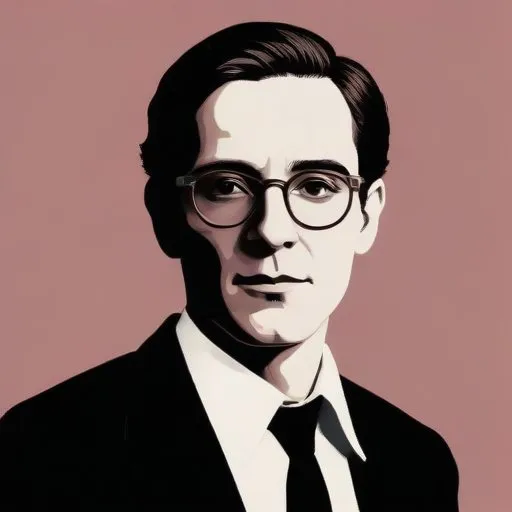
A prominent figure in American literary realism, known for his vivid portrayals of Midwestern life and the struggles of rural communities. His works often explored themes of social justice and the human condition.
Hamlin Garland, a renowned American novelist, poet, essayist, and short story writer, is best known for his fiction works that poignantly captured the lives of hardworking Midwestern farmers. His writings, deeply rooted in the American heartland, offer a glimpse into the struggles and triumphs of rural life, earning him a special place in the annals of American literature.
Born on September 14, 1860, on a farm near West Salem, Wisconsin, Garland was the second of four children to Richard Garland and Charlotte Isabelle McClintock. He drew inspiration from his rural upbringing, which would later influence his writing. Garland settled in Boston, Massachusetts, in 1884 to pursue a career in writing, where he devoured books at the Boston Public Library, fostering a deep appreciation for literature.
Garland's literary journey was significantly impacted by the ideas of Henry George, an economist and philosopher. George's Single Tax Movement, which advocated for a single tax on land, resonated with Garland, who incorporated these principles into his works. This influence is evident in his notable works, such as Main-Travelled Roads (1891), Prairie Folks (1892), and Jason Edwards (1892).
Garland's first major success came with the publication of Main-Travelled Roads, a collection of short stories inspired by his days on the farm. This work established him as a prominent voice in American literature. He went on to serialize a biography of Ulysses S. Grant in McClure's Magazine before publishing it as a book in 1898.
In 1898, Garland traveled to the Yukon to witness the Klondike Gold Rush, which inspired The Trail of the Gold Seekers (1899). This experience, along with his time on the farm, greatly influenced his writing, allowing him to craft authentic and engaging stories about rural life.
In 1893, Garland moved to Chicago, where he lived at 6427 South Greenwood Avenue in the Woodlawn neighborhood. He married Zulime Taft, the sister of sculptor Lorado Taft, and began working as a teacher and lecturer. Garland's legacy as a prominent figure in the Chicago Literary Movement and one of Chicago's most important authors continues to be celebrated.
In 1917, Garland published his autobiography, A Son of the Middle Border, which offers a glimpse into his life and writing process. Throughout his life, Garland continued to publish novels, short fiction, and essays, solidifying his position as a champion of American literature.
Garland's work has had a lasting impact on American literature, offering a unique perspective on rural life and the American heartland. His influence can be seen in the works of other notable authors, and his legacy continues to inspire new generations of writers and readers alike.
Hamlin Garland's words of wisdom continue to inspire and motivate:
Garland's contributions to American literature have been recognized with various honors, including a park named in his honor, Moccasin Ranch Park, located near his former address in Illinois. His work continues to be celebrated and studied, ensuring his legacy as a prominent American author.
Hamlin Garland's remarkable life and literary achievements serve as a testament to the power of dedication, hard work, and a passion for storytelling. His works continue to captivate readers, offering a glimpse into the American experience and the beauty of rural life.
Born in 1878
A pioneering muckraker, exposing social and economic injustices through influential novels, most notably "The Jungle", which led to significant reforms in the meatpacking industry.
Born in 1871
A pioneering realist writer who chronicled the lives of the American working class, capturing the gritty realities of urban existence through novels like "Sister Carrie" and "An American Tragedy".
Born in 1870
Pioneering naturalist writer who explored the darker aspects of human nature and the American Dream through novels like "McTeague" and "The Octopus".
Born in 1862
A pioneering female author of novels and short stories that explored the social conventions and morals of the Gilded Age, known for her witty and insightful portrayals of the American aristocracy.
Born in 1871
A pioneering writer of realistic and impressionistic fiction, known for his vivid and intense portrayals of war, poverty, and human struggle. His works are considered some of the most innovative and influential of the late 19th century.
Born in 1899
A legendary writer who crafted sparse, powerful prose, capturing the human experience in novels like "The Old Man and the Sea" and "A Farewell to Arms".
Born in 1896
Author of novels and short stories that capture the essence of the Jazz Age, exploring themes of wealth, class, and the American Dream. Known for timeless classics like "The Great Gatsby" and "Tender Is the Night".
