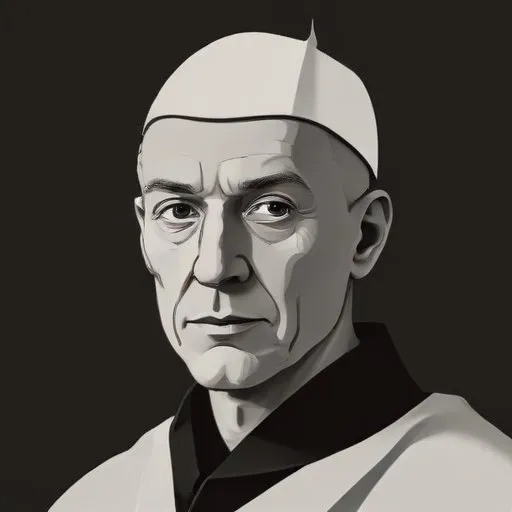
Hans Bol: The Flemish Master of Landscapes and Miniatures
A Prolific Career in Flanders and Beyond
Hans Bol, a renowned Flemish painter, miniature painter, print artist, and draftsman, is celebrated for his breathtaking landscapes, allegorical and biblical scenes, and genre paintings executed in a late Northern Mannerist style. His work had a profound impact on the next generation of Dutch landscape painters, cementing his legacy in the art world.
Early Life and Training
Born on December 16, 1534, in Mechelen, Belgium, Hans Bol was the son of Simon Bol and Catherina van den Stock. He received his initial training in Mechelen from his two uncles, Jacob Bol I and Jan Bol, who were also painters. At the tender age of 14, he was apprenticed to a local canvas painter, immersing himself in the traditional techniques of waterverwers (waterpainters) and doekschilders (canvas painters).
Travel and Inspiration
Bol's thirst for knowledge and inspiration led him to travel to Germany, where he spent time in Heidelberg from 1550 to 1552. This exposure to different artistic styles and influences would later shape his unique perspective and approach to art.
A Master of His Craft
Upon his return to Mechelen in 1560, Bol was admitted as a master of the Mechelen Guild of Saint Luke on February 20, 1560. His talent and dedication earned him recognition in Antwerp, where he became a master of the local Guild of Saint Luke in 1574. In 1575, he became a poorter of Antwerp, further solidifying his position as a respected artist.
Migration and Legacy
The Siege of Antwerp in 1584 forced Bol to flee the Southern Netherlands, following in the footsteps of his brother Jacob, who had already left for Dordrecht in 1578. He traveled to Bergen-op-Zoom, Dordrecht, and eventually settled in Amsterdam, where he resided until his death in 1593. During this period, his landscape work continued to inspire the next generation of Dutch landscape painters.
Influence and Contributions
Bol's prints, inspired by his own designs as well as those of Flemish masters like Pieter Brueghel the Elder, played a significant role in disseminating their themes throughout the Northern Netherlands. His artistic legacy extends beyond his own works, as his pupils, including his stepson Frans Boels, carried on his tradition and contributed to the development of Flemish and Dutch art.
Personal Milestones and Key Life Events
- 1550-1552: Travelled to Heidelberg, Germany
- 1560: Admitted as a master of the Mechelen Guild of Saint Luke
- 1574: Became a master of the Antwerp Guild of Saint Luke
- 1575: Became a poorter of Antwerp
- 1584: Fled the Siege of Antwerp, migrating to the Northern Netherlands
- 1593: Passed away in Amsterdam due to the plague
A Lasting Legacy
Hans Bol's remarkable body of work, characterized by its meticulous attention to detail and innovative use of perspective, continues to captivate art enthusiasts and inspire artists to this day. His influence on Dutch landscape painting and printmaking is a testament to his enduring legacy, and his contributions to the art world remain an integral part of Flemish and Dutch cultural heritage.
FAQ
What style of art did Hans Bol specialize in?
Hans Bol was a Flemish artist who specialized in landscape and landscape-architectural paintings, often incorporating fantastical and mythological elements.
What was Hans Bols role in the Flemish Renaissance?
Hans Bol played a significant role in the Flemish Renaissance, contributing to the development of landscape painting and influencing later artists such as Pieter Bruegel the Elder.
What is Hans Bols most famous work?
Hans Bols most famous work is probably his series of landscape paintings, including The Flight into Egypt and The Rest on the Flight into Egypt, which showcase his skill in capturing atmospheric effects.
Was Hans Bol a student of other famous artists?
Yes, Hans Bol was a student of several famous artists, including Pieter Coecke van Aelst and Frans Floris, which heavily influenced his style and technique.
What is the significance of Hans Bols landscape paintings?
Hans Bols landscape paintings are significant because they showcase his innovative use of atmospheric perspective and his ability to create a sense of depth and scale in his compositions.