


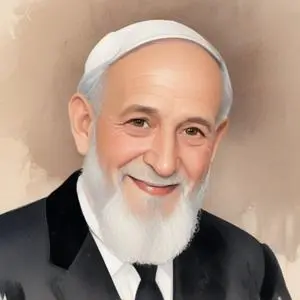
A prominent spiritual leader and bestselling author, known for his thought-provoking books on faith, morality, and the human condition, including "When Bad Things Happen to Good People".
Harold Kushner, a renowned American rabbi, author, and lecturer, is best known for his thought-provoking books that have helped millions of readers grapple with life's toughest questions. His iconic work, When Bad Things Happen to Good People, has become a beacon of hope for those seeking answers to the age-old problem of human suffering.
Born on April 3, 1935, in Brooklyn, New York, Kushner was raised in a Conservative Jewish family. His father, Julius, owned a children's book and toy store, where Harold developed a passion for storytelling and biblical narratives. This early exposure laid the groundwork for his future as a rabbi and writer.
Kushner's educational pursuits took him to Columbia University, where he initially studied psychology before switching to literature. He later attended the Jewish Theological Seminary, earning his rabbinic ordination in 1960. Kushner's Reconstructionist views and progressive stance within the Conservative movement set him apart as a bold and compassionate leader.
Kushner's writing career was sparked by personal tragedy when his son, Aaron, died of premature aging disease at the age of 14. This devastating loss prompted Kushner to address the question of theodicy – the nature of God in the face of human suffering. The resulting book, When Bad Things Happen to Good People, has sold millions of copies and been translated into numerous languages.
In addition to this seminal work, Kushner penned several other influential books, including When All You've Ever Wanted Isn't Enough, which explores the human quest for meaning and purpose. His writing has been praised for its accessibility, sensitivity, and ability to convey complex theological ideas to a broad audience.
Kushner's contributions to literature and faith have been acknowledged with numerous awards, including the Christopher Award in 1987 and the Jewish Book Council's Lifetime Achievement Award in 2007. His work has been widely praised for its thought-provoking insights and comforting message.
Harold Kushner's legacy extends far beyond his written works. As a congregational rabbi at Temple Israel of Natick, Massachusetts, he guided his community with empathy and wisdom. His progressive views and commitment to social justice have inspired a generation of clergy and laity alike.
Kushner's philosophical contributions have also had a profound impact on modern society. By challenging traditional notions of an omnipotent, interventionist God, he has helped foster a more nuanced and compassionate understanding of faith. His emphasis on God's role in offering comfort and solace has provided solace to countless individuals facing hardship and tragedy.
As a rabbi, author, and lecturer, Harold Kushner has left an indelible mark on the world. His tireless pursuit of meaning, his compassion for the human condition, and his commitment to social justice have inspired countless individuals to re-examine their own faith and values. Kushner's legacy will continue to inspire and comfort generations to come.
