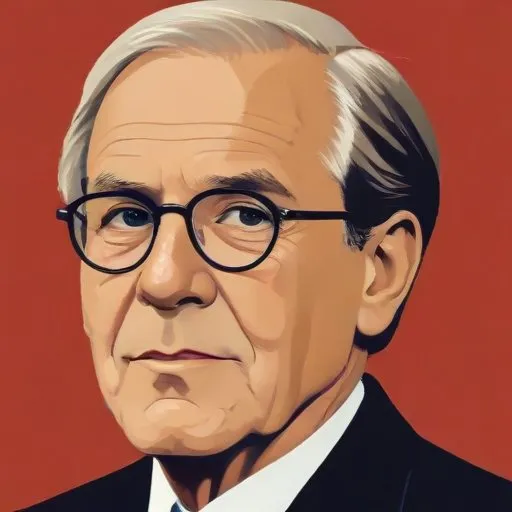
Harold L. Ickes: The Unyielding Champion of Progressive Reform
A Pillar of FDR's New Deal Administration
Harold L. Ickes, a stalwart advocate for social justice and environmental conservation, served as the United States Secretary of the Interior for nearly 13 years, from 1933 to 1946, under President
Franklin D. Roosevelt's administration. During his tenure, Ickes played a pivotal role in implementing the New Deal programs, earning him the distinction of being the longest-serving Secretary of the Interior in U.S. history.
A Life of Public Service
Born on March 15, 1874, in Hollidaysburg, Pennsylvania, Ickes was of Scottish and German ancestry. After his mother's death, he moved to Chicago at the age of 16, where he attended Englewood High School and later worked his way through the University of Chicago, graduating with a B.A. in 1897. Ickes' early life experiences instilled in him a strong sense of social responsibility, which would drive his future endeavors.
A Key Architect of the New Deal
As the head of the Public Works Administration (PWA), Ickes oversaw the implementation of numerous infrastructure projects, providing much-needed employment opportunities for millions of Americans during the Great Depression. His leadership also ensured the development of vital national parks, monuments, and conservation areas, cementing his legacy as a champion of environmental protection.
A Tireless Advocate for Social Justice
Ickes was an ardent supporter of African American causes, serving as the president of the Chicago NAACP before his national political career. He played a crucial role in desegregating areas under his direct control, demonstrating his commitment to racial equality. His leadership also paved the way for the appointment of Robert C. Weaver, the first African American cabinet member, in 1966.
Personal Milestones and Key Life Events
- Ickes was married to Anna Thompson, with whom he had two sons, Harold M. Ickes and Raymond Ickes.
- His son, Harold M. Ickes, would go on to serve as White House Deputy Chief of Staff for President Bill Clinton.
- Ickes was a skilled orator and writer, penning several books on politics, history, and conservation.
Legacy and Impact
Harold L. Ickes' unwavering dedication to progressive reform, environmental conservation, and social justice has left an indelible mark on American history. His tenure as Secretary of the Interior was marked by unparalleled achievements, and his commitment to promoting African American rights and opportunities helped pave the way for future generations of civil rights leaders.
Comparative Analysis with Contemporaries
Ickes' distinguished career is often juxtaposed with that of James Wilson, who held the record for the longest-serving cabinet member until Ickes surpassed it. While both demonstrated extraordinary commitment to public service, Ickes' unwavering support for progressive causes and environmental conservation set him apart as a true champion of social reform.
Philosophical Contributions and Beliefs
Ickes' philosophical underpinnings were grounded in a deep commitment to social justice, environmental stewardship, and progressive reform. His leadership was marked by an unyielding sense of moral purpose, driving him to challenge the status quo and push for meaningful change.
Historical Context and Legacy
Ickes' remarkable career spanning over six decades has left an enduring impact on American politics, social justice, and environmental conservation. His legacy serves as a testament to the power of dedicated public service, inspiring generations to come.
FAQ
What were Harold L. Ickes contributions to conservation?
As Secretary of the Interior, Harold L. Ickes played a crucial role in expanding national parks and monuments, and his efforts led to the establishment of the Olympic National Park in Washington state. He also worked to preserve natural resources and promote conservation efforts.
What was Harold L. Ickes role in the New Deal?
Harold L. Ickes was a key figure in the New Deal, serving as Secretary of the Interior from 1933 to 1946. He oversaw the development of infrastructure projects, such as the construction of roads, bridges, and public buildings, which provided much-needed jobs during the Great Depression.
What were Harold L. Ickes views on race and civil rights?
Harold L. Ickes was a vocal advocate for civil rights and racial equality. He worked to desegregate public facilities and services, and was a strong supporter of African American leaders, including Mary McLeod Bethune.
What was Harold L. Ickes relationship with President Franklin D. Roosevelt?
Harold L. Ickes was a close advisor and friend to President Franklin D. Roosevelt, and was one of the few cabinet members to serve throughout Roosevelts presidency. He was known for his loyalty and dedication to the President and his policies.
What was Harold L. Ickes early life and education?
Harold L. Ickes was born in 1874 in Pennsylvania and grew up in a family of modest means. He graduated from the University of Chicago and went on to study law at the University of Chicago Law School. He began his career as a journalist before entering politics.