


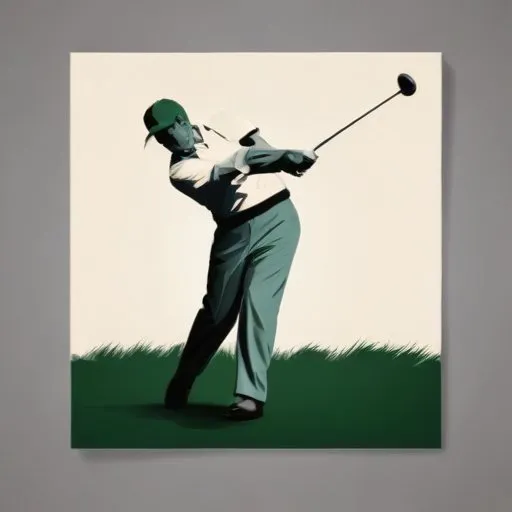
American golfer who won 41 PGA Tour events, including the 1934 Masters Tournament, and was one of the dominant players of the 1930s.
Harold Weber, an American golfer, etched his name in the annals of golfing history by clinching the bronze medal at the 1904 Summer Olympics. This remarkable achievement not only earned him recognition but also paved the way for his successful career as a golf course designer, creating some of the most iconic courses in the United States.
Weber's Olympic feat in 1904 marked a significant milestone in his career, as he became part of the American team that secured the bronze medal in the golf tournament. His individual performance was equally impressive, finishing 16th in the qualification and making it to the first round of the match play. This achievement not only demonstrated his exceptional golfing skills but also contributed to the growth and popularity of the sport in the early 20th century.
Aside from his Olympic glory, Weber made a lasting impact on the golfing world through his course design endeavors. One of his most notable creations is the Highland Meadows Golf Course in Sylvania, Ohio, designed in 1925. This course has since become a prestigious venue, hosting the LPGA Jamie Farr Owens Corning Classic. Weber's course designs are a testament to his innovative approach and deep understanding of the game.
Born on March 20, 1882, in Littleton, New Hampshire, Weber's early life was marked by a passion for golf, which eventually led him to compete in the 1904 Summer Olympics. His Olympic experience not only shaped his golfing career but also influenced his personal life, as he went on to design courses that continue to inspire golfers to this day.
Weber's contributions to golf have had a lasting impact on modern society. His course designs have created opportunities for countless golfers, and his Olympic medal has inspired generations to take up the sport. Weber's legacy extends beyond the golfing world, demonstrating the power of passion and dedication to achieving success.
Harold Weber's remarkable journey, marked by Olympic glory and innovative course designs, continues to inspire golfers and enthusiasts alike. His contributions to the sport have left an indelible mark, cementing his place as a golfing legend of the early 20th century.
As we look back on Weber's life and achievements, we are reminded of the power of passion, dedication, and innovation to shape our lives and leave a lasting impact on the world.
Born in 1902
A legendary golfer who founded the Masters Tournament and is celebrated for his incredible career, including 13 major championships. He's also a skilled lawyer who practiced in Atlanta.
Born in 1912
Legendary golfer and sportscaster who dominated the sport with 68 professional wins, including nine major championships, and inspired generations with his remarkable comeback from a near-fatal car accident.
Born in 1912
A legendary golfer with a record 82 PGA Tour wins, known for his smooth swing and charismatic personality on the course and in the broadcast booth.
Born in 1912
A legendary golfer and broadcaster, known for winning 52 PGA tournaments, including 11 in a row, and providing iconic commentary for CBS Sports.
97 Years Old
A legendary golfer and entrepreneur who dominated the sport in the 1950s and 1960s, and later built a business empire around his iconic brand.
90 Years Old
A legendary golfer and charismatic sportscaster, known for winning numerous championships, including nine major titles, and entertaining audiences with his commentary and wit.
86 Years Old
A legendary golfer and broadcaster, renowned for his record 18 major championships and iconic swing, still widely revered in the golf world today.
59 Years Old
A British Labour Party politician who served as Deputy Leader and led the party's anti-Brexit efforts, known for his strong stance against leaving the EU.
