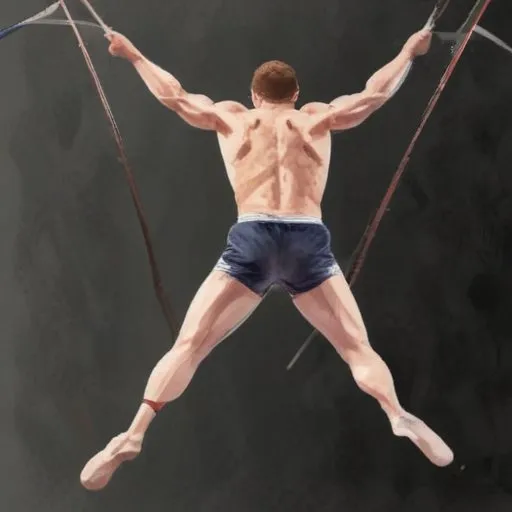
Harry Babcock: The Vaulting Virtuoso
A Leap of Faith: Harry's Rise to Olympic Glory
Harry Babcock, an American pole vaulter, etched his name in the annals of history when he clinched the gold medal at the 1912 Summer Olympics, setting an Olympic record of 3.95 meters in the process. This remarkable feat not only cemented his position as a trailblazer in the world of track and field but also marked the beginning of a legacy that would inspire generations to come.
From Long Jumps to Pole Vaults: A Switch That Paid Off
Babcock's journey to Olympic stardom was not without its twists and turns. Initially, he excelled in the long jump, but around 1910, he made the bold decision to switch to the pole vault. This calculated risk would ultimately prove to be a masterstroke, as he went on to dominate the pole vault scene.
An Engineer's Precision: Babcock's Academic Pursuits
Beyond his athletic prowess, Babcock was an accomplished individual with a strong academic foundation. He graduated in engineering from Columbia University in 1912, a testament to his discipline and dedication. This educational background would later serve him well in his professional life, as he went on to work as a salesman for a lumber company in Irvington, New York.
Career Highlights and Major Works
- Gold medalist at the 1912 Summer Olympics
- Olympic record holder (3.95 meters)
- Graduated in engineering from Columbia University
- Worked as a salesman for a lumber company in Irvington, New York
A Lasting Legacy: Inspiration and Impact
Harry Babcock's remarkable achievements on the track and in the classroom have left an indelible mark on the world of sports and beyond. His determination, work ethic, and willingness to take risks serve as a beacon of inspiration to aspiring athletes and individuals from all walks of life. As a true pioneer, Babcock's legacy continues to inspire future generations to strive for greatness.
Influence on Modern Society
Babcock's Olympic triumph and subsequent career have had a profound impact on modern society. His achievements have:
- Inspired countless individuals to pursue careers in athletics and engineering
- Paved the way for future generations of pole vaulters
- Demonstrated the importance of perseverance and hard work in achieving success
A Historical Context: The Era of Greatness
Harry Babcock's achievements must be viewed within the context of his time. The early 20th century was an era of great change and innovation, marked by rapid advancements in technology, sports, and education. Babcock's accomplishments were a testament to the era's emphasis on progress, innovation, and human achievement.
A Life of Triumph and Triumphancy
Harry Babcock's life was a testament to the human spirit's capacity for greatness. From his Olympic triumph to his academic and professional achievements, he embodied the values of hard work, dedication, and perseverance. As we look back on his remarkable life, we are reminded that with determination and a willingness to take risks, we too can achieve greatness.
FAQ
Who is Harry Babcock and what is he known for?
Harry Babcock is an American pole vaulter who is best known for winning the gold medal at the 1912 Summer Olympics in Stockholm, Sweden. He cleared 3.95 meters to set an Olympic record and secure his place in history as one of the greatest pole vaulters of all time.
What was Harry Babcocks Olympic experience like?
Harry Babcocks Olympic experience was marked by his impressive performance at the 1912 Summer Olympics, where he won the gold medal with a record-breaking jump. He also competed in the 1912 Olympic trials, where he set a new American record with a jump of 4.06 meters.
What is Harry Babcocks legacy in track and field?
Harry Babcocks legacy in track and field is cemented by his Olympic gold medal and his contributions to the development of the pole vault event. He is remembered as one of the pioneers of the sport and an inspiration to future generations of athletes.
What awards and recognition did Harry Babcock receive?
Harry Babcock received numerous awards and recognition for his achievements in track and field, including being inducted into the USA Track & Field Hall of Fame and the University of Pennsylvania Athletic Hall of Fame.
What are some interesting facts about Harry Babcock?
One interesting fact about Harry Babcock is that he was also a talented coach who helped train other athletes in the pole vault event. He was also a member of the IC4A, an athletic conference that promoted track and field competitions in the United States.