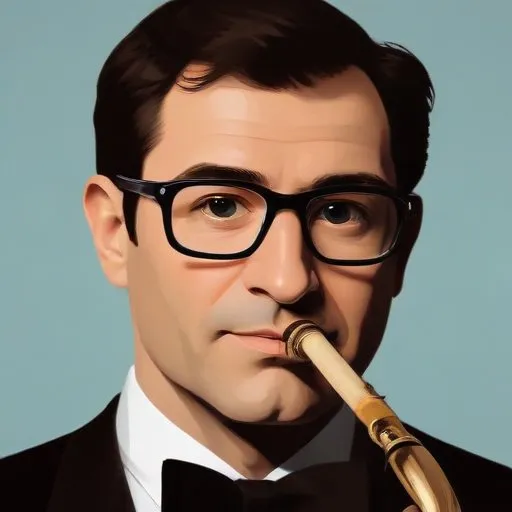
Harry Freedman: The Maestro of Canadian Classical Music
A Legendary Composer and Musician
Harry Freedman was a renowned Canadian composer, English hornist, and music educator of Polish birth, known for his significant contributions to the world of classical music. With a prolific career spanning over five decades, he wrote a substantial amount of symphonic works, chamber music, ballets, an opera, and incidental music for the theatre, leaving an indelible mark on the music industry.
Early Life and Musical Beginnings
Born on April 5, 1922, in Poland, Freedman immigrated to Canada with his family at the age of three and settled in Medicine Hat, Alberta. His father worked in the fur trade, and the family later relocated to Winnipeg, where Freedman developed an interest in art, enrolling at the Winnipeg School of Art at the age of 13 to study painting. However, his musical journey began relatively late, taking his first clarinet lessons at 18, inspired by big band music.
The War Years and Musical Education
Freedman's musical training was interrupted by World War II, during which he served as a member of the Royal Canadian Air Force from 1941 to 1945. After the war, he entered The Royal Conservatory of Music, studying from 1945 to 1951 under the guidance of influential teachers, including his clarinet teacher, Arthur Hart, who later became the principal clarinetist of the Winnipeg Symphony Orchestra.
Compositional Style and Notable Works
Freedman's compositional style was characterized by its lyricism, rhythmic vitality, and soaring melodies. Some of his notable works include:
- Touchings, which earned him a Juno Award in 1996
- Borealis, a symphonic work that won the 1998 composition prize at the International Rostrum of Composers
- Scores to films such as The Bloody Brood (1959), Isabel (1968), The Act of the Heart (1970), The Pyx (1973), and The Courage of Kavik the Wolf Dog (1980)
- Chamber music, including string quartets, piano trios, and sonatas
- Music for six ballets, an opera, and incidental music for the theatre
Awards and Recognition
Freedman's contributions to Canadian classical music were recognized with numerous awards and honors, including:
- Juno Award for Touchings (1996)
- Composition prize at the International Rostrum of Composers for Borealis (1998)
- A commercial recording dedicated to his music, Canadian Composers Portraits Harry Freedman, released by the Canadian Music Centre in 2002
Legacy and Impact
Harry Freedman's legacy extends beyond his impressive body of work, influencing generations of Canadian composers and musicians. His music continues to be performed and celebrated, ensuring his place as one of Canada's most important and beloved composers.
Remembering Freedman's remarkable journey, we are reminded of the power of music to transcend time and touch hearts. His contributions to Canadian classical music will forever be etched in the annals of history, inspiring future generations of musicians and composers to follow in his footsteps.
FAQ
What instrument did Harry Freedman play?
Harry Freedman was a horn player and composer, known for his virtuosic skills on the French horn.
What type of music did Harry Freedman compose?
Harry Freedman composed a wide range of music, including classical, jazz, and popular styles, often incorporating elements of folk and world music.
How did Harry Freedmans music reflect his cultural heritage?
Harry Freedmans music reflected his Polish-Canadian heritage, often incorporating elements of traditional Jewish and Eastern European music.
What awards did Harry Freedman win for his compositions?
Harry Freedman won several awards for his compositions, including the Juno Award for Classical Composition of the Year.
Is Harry Freedman still remembered in the music world?
Yes, Harry Freedman is still remembered in the music world as a pioneering composer and performer who helped to shape the sound of Canadian music.