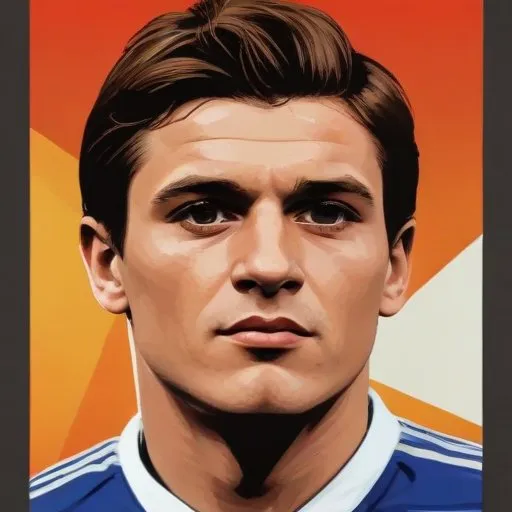
Harry Hibbs: The Unsung Hero of English Goalkeeping
A Career Marked by Reliability and Consistency
Harry Hibbs, born on May 27, 1906, was an English footballer who made a name for himself as a goalkeeper for Birmingham and England in the 1920s and 1930s. With 25 caps for England, Hibbs became the most capped goalkeeper of his time, earning a reputation for his reliability and consistency between the posts.
Early Life and Career
Born in Wilnecote, Staffordshire, Hibbs began his footballing journey playing for local clubs Wilnecote Holy Trinity and Tamworth Castle. His impressive performances caught the attention of Birmingham, and he was offered professional forms at the age of 17. Hibbs went on to become a regular feature of Billy Beer's side, where he played alongside club legends Frank Womack and Joe Bradford.
Rise to Prominence
The arrival of Leslie Knighton from Bournemouth in 1928 marked a turning point in Hibbs' career. Under Knighton's guidance, Birmingham's fortunes improved, and Hibbs' form earned him a call-up for England. He made his debut against Wales on November 20, 1929, at Stamford Bridge, helping England to a 6-0 victory.
International Career
Hibbs' international career was marked by consistency and reliability, earning him 25 caps for England. He was known for his ability to perform under pressure, often preferring to do things in a simple manner. This style earned him a reputation as a dependable goalkeeper, and he became a mainstay of the English team well into the mid-1930s.
FA Cup Final and Other Career Highlights
One of the highlights of Hibbs' career was reaching the FA Cup final with Birmingham in 1931. Although they ultimately lost to West Bromwich Albion, Hibbs' performances throughout the tournament cemented his reputation as one of the top goalkeepers of his era.
Legacy and Impact
Hibbs' impact on English football cannot be overstated. He was a trailblazer for goalkeepers, paving the way for future generations. His consistency and reliability set a high standard, and his 25 caps for England remain a testament to his ability.
Personal Life and Later Years
Little is known about Hibbs' personal life, but it is said that he trained as a plumber before pursuing a career in football. After retiring from the sport, Hibbs lived a quiet life, passing away on April 23, 1984, at the age of 77.
Trivia and Fun Facts
- Hibbs was part of an FA tour to South Africa, where he made three appearances for the Football League XI.
- He was selected for the Professionals in the 1929 FA Charity Shield but missed the game due to injury.
- Hibbs' uncle and cousin, Hubert and Harold Pearson, were also professional footballers.
Conclusion
Harry Hibbs may not be a household name, but his contributions to English football are undeniable. A reliable and consistent goalkeeper, Hibbs paved the way for future generations of goalkeepers. His legacy continues to inspire, and his story serves as a testament to the power of hard work and dedication.
FAQ
What is Harry Hibbss football career like?
Harry Hibbs was an English footballer who played as a midfielder for several clubs, including Everton and Preston North End. He was known for his skill, vision, and goal-scoring ability.
What is Harry Hibbss most notable achievement in football?
Harry Hibbss most notable achievement in football was winning the First Division title with Everton in the 1962-1963 season. He was a key player in the teams success, scoring important goals and providing assists.
How did Harry Hibbs develop his football skills?
Harry Hibbs developed his football skills through hard work, dedication, and practice. He was encouraged by his family and coaches, who saw his potential and helped him to develop his game.
What is Harry Hibbss legacy in English football?
Harry Hibbss legacy in English football is as a talented and dedicated player who helped his teams achieve success. He is remembered fondly by fans and former teammates, who appreciate his contributions to the sport.
What is Harry Hibbss post-playing career like?
After retiring from football, Harry Hibbs went on to coach and manage several teams. He also became involved in football administration, serving as a director at Preston North End and working to promote grassroots football in his community.