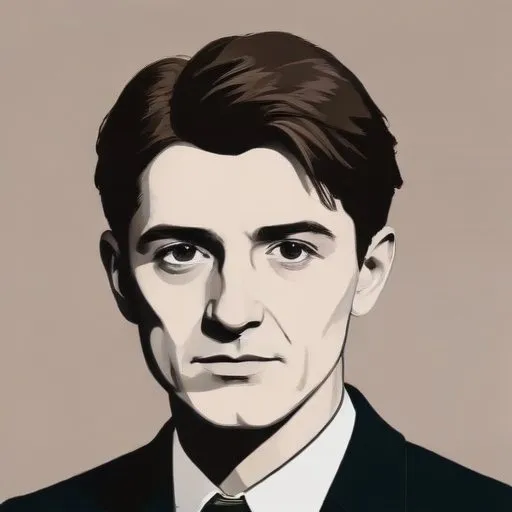
Harry Webster: The Visionary Behind Triumph's Golden Era
A Legacy of Innovation in the Automotive Industry
Harry Webster, a renowned British automotive engineer, is best known for his instrumental role in revitalizing the Triumph Motor Company during the 1950s and 1960s. As the mastermind behind Triumph's iconic TR series, Webster's designs and chassis engineering expertise propelled the brand to unprecedented heights, earning him a permanent place in the annals of automotive history.
Early Life and Education
Born on May 27, 1917, in Coventry, Webster's fascination with engineering began at a young age. He attended Welshpool County School and Coventry Technical College, laying the foundation for a distinguished career in the automotive industry.
Rise to Prominence at Standard and Triumph
Webster's journey in the automotive sector commenced in 1932, when he joined the Standard Motor Company as an apprentice. During World War II, he worked in Standard's aircraft engineering operation, acquisitioning valuable skills that would later benefit Triumph. Following Standard's acquisition of Triumph in 1946, Webster's design and chassis engineering prowess helped transform the brand, leading to his appointment as Triumph's director of engineering in 1957.
Collaborations and Innovations
One of Webster's most notable collaborations was with Italian stylist
Giovanni Michelotti, which resulted in the creation of the TR4, Herald, Vitesse, Spitfire, 2000, and Stag. His work on the TR series, including the TR2, TR3, TR4, and TR5, cemented Triumph's reputation for producing high-performance sports cars.
Executive Roles and Honors
In 1967, Webster became chief executive engineer at Leyland Motors, following Standard-Triumph's acquisition. He succeeded
Alec Issigonis as British Leyland Motor Corporation's (BLMC) technical director in 1968. In 1974, he resigned from BLMC and joined Automotive Products as group technical director. Webster's remarkable contributions to the British motor industry earned him a Commander of the Most Excellent Order of the British Empire (CBE) in 1974.
Later Life and Legacy
After retiring in 1982, Webster lived in Kenilworth, where he had moved in the late 1950s. He passed away on February 6, 2007, leaving behind a legacy that continues to inspire automotive enthusiasts worldwide. Webster's impact on the industry is still felt today, with his designs remaining an integral part of Triumph's heritage.
Major Works and Achievements
- Triumph TR series (TR2, TR3, TR4, and TR5)
- Tripe Herald, Vitesse, Spitfire, 2000, and Stag
- Director of Engineering, Triumph Motor Company (1957)
- Chief Executive Engineer, Leyland Motors (1967)
- Technical Director, British Leyland Motor Corporation (1968)
- Commander of the Most Excellent Order of the British Empire (CBE) (1974)
Webster's story serves as a testament to the power of innovation, perseverance, and collaboration in shaping the automotive industry. His remarkable career continues to inspire generations of engineers, designers, and enthusiasts, solidifying his place as a true legend in the world of motoring.
FAQ
What was Harry Websters most notable engineering achievement?
Harry Webster was a renowned English engineer, credited with designing the iconic Mini car. His innovative design revolutionized the automotive industry, making compact cars accessible to the masses.
What were Harry Websters early influences?
Websters early life and education in Coventry, England, instilled in him a passion for engineering and design. He began his career at the Rover Company, later joining the British Motor Corporation (BMC) to work on the Mini project.
How did Harry Websters design philosophy shape the Mini?
Websters emphasis on simplicity, functionality, and aesthetics guided the Minis design. He prioritized space efficiency, comfort, and affordability, creating a car that captured the hearts of drivers worldwide.
What was Harry Websters contribution to the automotive industry?
Websters work on the Mini helped transform the automotive industry, paving the way for compact cars and influencing future design trends. His innovative approach earned him recognition as one of the industrys leading engineers.
What legacy did Harry Webster leave behind in automotive design?
Websters legacy is evident in the iconic Mini, a testament to his innovative spirit and design prowess. His contributions to automotive engineering have inspired generations of designers, engineers, and car enthusiasts.