


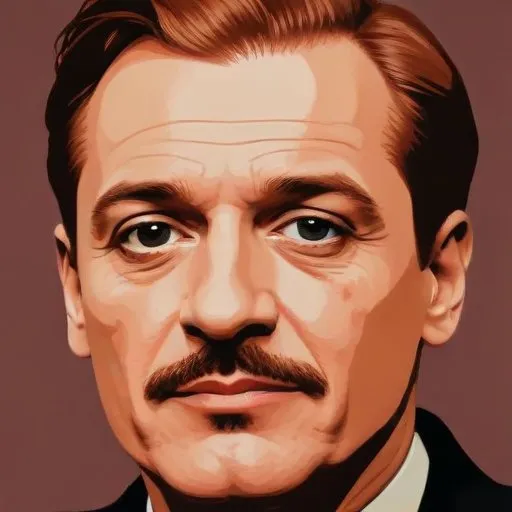
A renowned German actor, celebrated for his versatility in playing a wide range of roles, from comedy to drama, in numerous films and stage productions.
Heinz Rhmann was a renowned German film actor who left an indelible mark on the silver screen, appearing in over 100 films between 1926 and 1993. He is best known for his iconic comedic roles in film classics such as Three from the Filling Station and The Punch Bowl, earning him the reputation as one of the most beloved and respected German actors of the 20th century.
Born on March 7, 1902, in Essen, Germany, Heinz Rhmann was the son of a restaurateur. After his family moved to Berlin in 1915, Rhmann's father Hermann Rhmann disappeared under mysterious circumstances, leaving his son to navigate the early years of his life. Despite these challenges, Rhmann found solace in the world of acting, beginning his career during the early 1920s.
Rhmann's breakthrough role came in 1930 with the film The Three from the Filling Station, which catapulted him to stardom. He went on to become a household name in Germany, known for his effortless comedic timing and charming on-screen presence.
During the 1930s and 1940s, Rhmann appeared in numerous films, including The Punch Bowl, Quax the Crash Pilot, and Twelve Minutes After Twelve. His versatility as an actor led to him working with some of the most prominent directors of the time, such as Carl Froelich and Helmut Käutner.
In the later years of his career, Rhmann transitioned seamlessly into character acting, delivering memorable performances in films like The Captain from Kopenick and It Happened in Broad Daylight. His sole English-speaking film, Ship of Fools, released in 1965, solidified his reputation as a talented actor beyond Germany's borders.
Rhmann's contributions to German cinema were recognized with numerous awards, including the Federal Film Award (Bundesfilmpreis) in 1962 and the Honorary Award of the German Film Academy (Deutsche Filmakademie) in 1975.
Rhmann's personal life was marred by controversy during the Nazi regime. In 1938, he divorced his Jewish wife Maria Herbot, who later fled to Sweden. The divorce sparked allegations that Rhmann was attempting to salvage his career by abandoning his wife, although the exact circumstances remain unclear.
Despite these challenges, Rhmann remained a respected figure in German cinema, continuing to work throughout the Third Reich period. He kept his political views private, choosing not to publicly endorse or criticize the Nazi regime.
Heinz Rhmann's remarkable career spanned over six decades, leaving an indelible mark on German film history. He is remembered as a talented actor, a master of comedic timing, and a respected figure in the German film industry.
Rhmann's legacy extends beyond his body of work, inspiring generations of German actors and filmmakers. His ability to adapt to changing times and genres cemented his status as a true legend of German cinema.
On October 3, 1994, Heinz Rhmann passed away, leaving behind a rich film heritage that continues to captivate audiences worldwide. His contributions to German cinema remain unmatched, solidifying his place as one of the most beloved and respected actors of the 20th century.
These iconic films showcase Rhmann's incredible range and talent, cementing his status as a German film legend.
Born in 1915
Austrian-Swiss actor and director renowned for his intense, brooding performances in German-language films, earning him a reputation as the "German Marlon Brando".
88 Years Old
A German-French actress who captivated audiences with her striking beauty and nuanced performances in films like "Sissi" and "Ludwig," earning her a lasting legacy in European cinema.
Born in 1922
Austrian-German actor renowned for his intense, brooding performances in films like "Interlude" and "Ship of Fools", earning him an Academy Award nomination.
Born in 1913
A German actor who played iconic villains, including Auric Goldfinger in the 1964 James Bond film, and brought memorable characters to life on screen.
Born in 1925
A German actress and singer who was a popular film and stage star in post-war Germany, known for her distinctive voice and iconic movie roles.
Born in 1907
A Swedish actress and singer who captivated audiences with her powerful voice and iconic film roles, becoming a beloved star of German cinema during the 1930s and 1940s.
