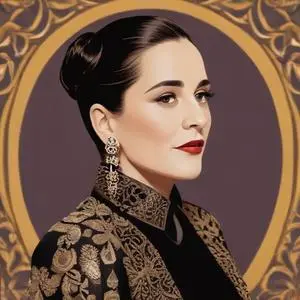
The Cosmetics Queen: Helena Rubinstein's Rise to Fame
Helena Rubinstein, a Polish-born entrepreneur, is renowned for founding the iconic cosmetics company, Helena Rubinstein Incorporated, which propelled her to become one of the wealthiest women in the world. With a pioneering spirit and innovative approach to beauty, Rubinstein revolutionized the cosmetics industry, leaving an indelible mark on the world of beauty and beyond.
A Humble Beginning
Born Chaja Rubinstein on December 25, 1872, in Kraków, Lesser Poland (then occupied by Austria-Hungary), Rubinstein was the eldest of eight daughters to Augusta and Naftoli Rubinstein, a shopkeeper. Her early life was marked by a strong sense of independence and a desire for self-determination, which would later propel her to great heights.
A Leap of Faith: Emigrating to Australia
Refusing an arranged marriage, Rubinstein embarked on a solo journey to Australia in 1896, armed with little more than a few jars of beauty cream and a fierce determination to succeed. With no command of the English language, she faced numerous challenges, but her striking appearance and radiant complexion soon won over the Australian ladies, who eagerly purchased her creams.
The Birth of Crème Valaze
Rubinstein's entrepreneurial spirit was ignited when she discovered the abundance of lanolin, a key ingredient in her creams, in the Western Victoria region of Australia. She experimented with lavender, pine bark, and water lilies to create a unique blend, which would later become the hallmark of her brand. With the help of an admirer, she launched Crème Valaze, a product that would catapult her to fame.
A Global Empire
Rubinstein's cosmetics empire expanded rapidly, with stores opening in London, Paris, and New York. Her innovative approach to beauty, which emphasized skin care and the use of natural ingredients, resonated with women worldwide. Her company became synonymous with luxury and elegance, attracting royalty, celebrities, and high-society patrons.
A Philanthropist and Art Collector
Rubinstein's success enabled her to pursue her passion for art and philanthropy. She amassed an impressive collection of modern art, featuring works by artists such as
Pablo Picasso and
Henri Matisse. Her philanthropic efforts focused on supporting women's education and entrepreneurship, reflecting her own journey as a self-made woman.
Legacy and Impact
Helena Rubinstein's legacy extends far beyond her cosmetics empire. She paved the way for future generations of women entrepreneurs, inspiring them to take risks and pursue their passions. Her emphasis on natural ingredients, skin care, and innovation continues to influence the beauty industry today. As one of the wealthiest women of her time, Rubinstein's rags-to-riches story serves as a testament to her unwavering determination and entrepreneurial spirit.
Interesting Facts and Trivia
- Rubinstein was the cousin of existentialist philosopher Martin Buber.
- She was also the cousin of Ruth Rappaport's mother.
- Her lanolin-based creams were originally marketed as a "Valaze cream" in Australia.
- Rubinstein's cosmetics company was sold to Colgate-Palmolive in 1973 for $118 million.
FAQ
What was Helena Rubinsteins occupation?
Helena Rubinstein was a Polish-American businesswoman and philanthropist, best known for her cosmetics empire.
What was Helena Rubinsteins business?
Helena Rubinstein founded the Helena Rubinstein cosmetics company, which became a global leader in the industry.
What was Helena Rubinsteins approach to beauty?
Helena Rubinstein believed in the importance of skincare and makeup for womens empowerment, pioneering innovative products and techniques.
Did Helena Rubinstein have any notable philanthropic efforts?
Yes, Helena Rubinstein supported various charitable causes, including education and womens rights organizations.
What was Helena Rubinsteins legacy?
Helena Rubinsteins business acumen and philanthropic efforts have made her a pioneering figure in the cosmetics industry, inspiring future generations of entrepreneurs and philanthropists.