


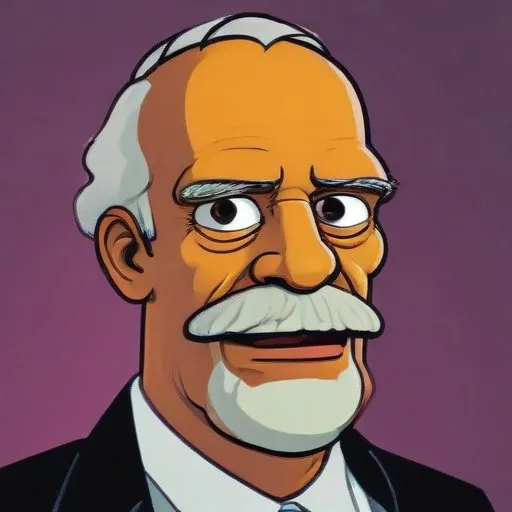
A comedian and musician known for his country music parodies and humorous songs, often performing with his partner, Kenneth Burns, as the duo Homer and Jethro.
Henry D. Homer Haynes, a renowned American comedian, musician, and guitarist, rose to fame in the 1940s and 1950s with his partner Kenneth C. Burns as the country music comedy and parody duo Homer and Jethro. With their unique blend of humor, music, and wit, they entertained audiences on radio, television, and stages across the United States.
Born on July 27, 1920, near Knoxville, Tennessee, Haynes met his future partner Kenneth Burns during a WNOX-AM audition in 1936. The duo's early performances as "Junior and Dude" eventually led to their rechristening as Homer and Jethro when WNOX Program Director Lowell Blanchard forgot their nicknames during a 1936 broadcast.
In 1939, Haynes and Burns became regulars on the Renfro Valley Barn Dance radio program, solidifying their position in the country music scene. After serving in the US Army during World War II, Haynes reunited with Burns in Knoxville in 1945 and they moved to Cincinnati, Ohio, where they began working at WLW-AM on the station's Midwestern Hayride.
In 1947, Homer and Jethro signed with King Records, recording singles on their own and working as a house band. Two years later, they signed with RCA Records, leading to a prolific recording career that spanned over 50 albums. The duo's television appearances included Ozark Jubilee, The Beverly Hillbillies, The Johnny Cash Show, and The Tonight Show.
Homer and Jethro's parody "The Battle of Kookamonga" won the Grammy Award for Best Comedy Performance in 1959, cementing their status as one of the most popular and influential comedy duos of their time.
Haynes died on August 7, 1971, at the age of 51, due to a heart attack in Hammond, Indiana. Despite his passing, Haynes' legacy as a comedy genius and musician continues to inspire new generations of entertainers and fans alike. His partnership with Jethro remains one of the most beloved and enduring comedy duos in American entertainment history.
Homer and Jethro's contributions to American entertainment are a testament to the power of comedy and music in bringing people together during times of turmoil and change. Their legacy serves as a reminder of the importance of laughter and creativity in our lives, and their influence can still be felt in the work of comedians, musicians, and entertainers today.
Born in 1924
A legendary guitarist and producer who helped shape the country music sound and launched the careers of numerous famous artists. Known for his smooth, mellow style and innovative production techniques.
Born in 1918
A country music legend, known as the "Tennessee Plowboy," who dominated the charts with his smooth baritone voice and iconic hits like "Make the World Go Away" and "I'll Hold You in My Heart (Till I Can Hold You in My Arms)"
Born in 1903
Known as the "King of Country Music," this legendary figure is a pioneer of country music, famous for their distinctive voice, fiddle playing, and iconic hits like "The Great Speckled Bird."
Born in 1913
A legendary country music pioneer, known for his distinctive banjo playing and authentic Appalachian folk sound, which heavily influenced bluegrass and country music.
Born in 1912
A beloved country comedian and singer, known for her down-home humor and iconic price-tagged hat, entertaining audiences on the Grand Ole Opry and Hee Haw.
Born in 1924
A legendary bluegrass musician who revolutionized the banjo with his unique three-finger picking style, influencing generations of country and folk artists.
Born in 1914
A legendary bluegrass musician and songwriter, known for his distinctive vocals and instrumental skills, particularly with the Foggy Mountain Boys. He helped popularize bluegrass music beyond its Appalachian roots.
