


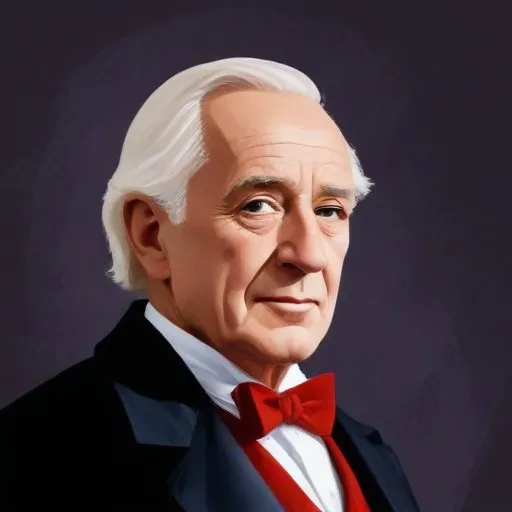
A renowned theater critic and writer, known for his insightful reviews and interviews with prominent playwrights and actors, shaping the American theater scene.
Henry Hewes, the renowned American theater writer and critic, is best known for his groundbreaking reviews of regional and international theater, deviating from the traditional focus on New York productions. As the drama critic for the Saturday Review from 1955 to 1979, Hewes played a vital role in shaping the American theater landscape, discovering new talent, and celebrating innovative works.
Born on April 9, 1917, in Boston, Massachusetts, to a socially prominent family, Henry Hewes was exposed to the world of theater from a young age. His mother, Margaret Gordon Warman, was a theater producer, and he first became interested in theater at the age of ten. Hewes began studying premed at Harvard University but interrupted his studies to serve in the Army Air Corps during World War II. After the war, he shifted his focus to theater studies and graduated from Columbia University in 1949.
Hewes' contributions to the world of theater are numerous and far-reaching. He was the first major critic to regularly review regional and international theater, which led to the founding of the American Theater Critics Association, the Tony Award for regional theater, and the American Theater Wings design award, now called the Hewes Award. In 2002, he was inducted into the American Theater Hall of Fame.
Hewes believed in the power of theater to reflect and shape society. Through his reviews and writings, he advocated for diversity, innovation, and regional representation in the American theater scene.
Hewes' pioneering work in regional theater criticism paved the way for a more diverse and inclusive American theater scene. His legacy continues to inspire new generations of theater critics, writers, and practitioners.
"Theater is a reflection of our society, and it is our responsibility as critics to reflect that society back to the audience."
By celebrating Henry Hewes' life and work, we honor the spirit of innovation, diversity, and regional representation that continues to shape the American theater landscape today.
Born in 1911
A Pulitzer Prize-winning playwright and poet, known for crafting emotionally charged, poetic dramas that explore the human condition, particularly in the American South.
Born in 1915
Pulitzer Prize-winning playwright behind iconic dramas like "Death of a Salesman" and "The Crucible", exploring American identity and morality through powerful storytelling.
Born in 1888
A pioneering playwright who explored the American experience through powerful, psychologically complex dramas, earning the Nobel Prize in Literature in 1936.
Born in 1905
Pioneering playwright and screenwriter who crafted intricate, socially conscious dramas that probed the human condition, often focusing on moral dilemmas and personal relationships.
Born in 1906
A pioneering playwright and screenwriter of the 1930s, known for his gritty, socially conscious dramas that probed the American Dream and the struggles of the working class.
Born in 1909
A pioneering filmmaker who directed iconic movies like "On the Waterfront" and "East of Eden," and was a key figure in the development of the Actors Studio.
Born in 1901
A pioneer of method acting, he developed a systematic approach to acting that emphasized emotional recall and sense memory, influencing generations of actors. 82
Born in 1924
A cultural icon who revolutionized acting with his intense, nuanced performances, earning him numerous accolades, including two Oscars. He's synonymous with iconic roles in "A Streetcar Named Desire" and "The Godfather".
