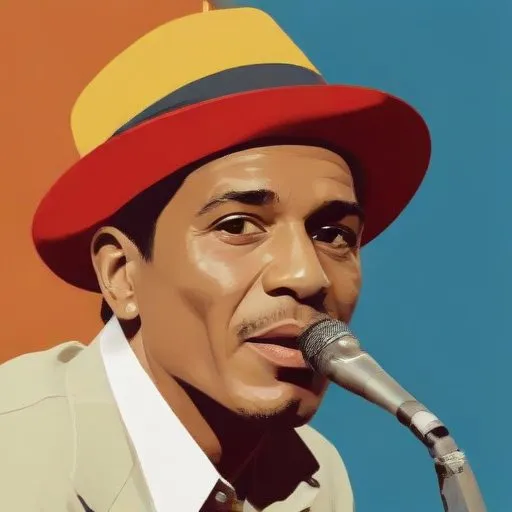
Ibrahim Ferrer: The Velvet-Voiced Crooner of Cuban Music
Legendary Singer and Icon of Afro-Cuban Rhythm
Ibrahim Ferrer, the renowned Cuban singer, left an indelible mark on the world of Afro-Cuban music, captivating audiences with his smooth, velvety voice and effortlessly conveying the emotional depth of traditional Cuban songs. As a leading figure of the Buena Vista Social Club, Ferrer's contributions to the revival of traditional Cuban music in the 1990s earned him international acclaim and recognition.
Early Life and Musical Origins
Born on February 20, 1927, at a dance club in San Luis, near Santiago de Cuba, Ferrer's life was marked by early hardship. Orphaned at the age of 12, he was forced to sing on the streets to earn a living. The following year, Ferrer joined his first musical group, a duet with his cousin called Jovenes del Son, performing at private functions and managing to scrape together enough money to survive.
Rise to Prominence: A Journey Through Cuban Music Scene
Throughout the 1950s and 1960s, Ferrer performed with various musical groups, including Conjunto Sorpresa and Chepn y su Orquesta Oriental. As lead singer of the latter, he recorded his biggest hit, "El platanal de Bartolo," in 1956. Ferrer's unique voice and style earned him recognition, and he became a sought-after performer in Cuba. In 1959, he joined Pacho Alonso's group, which later became Los Bocucos, a group that would remain a vital part of his career for nearly four decades.
Los Bocucos and the Pursuit of Bolero
With Los Bocucos, Ferrer primarily performed sones, guarachas, and other uptempo songs. However, he yearned to sing boleros, a style that would become synonymous with his name. Ferrer remained a member of Los Bocucos until his retirement in 1991. During this period, he recorded several albums, including "Santiago de Cuba" and "Mis 33 años de son."
Revival and International Acclaim: The Buena Vista Social Club Era
After his retirement, Ferrer was brought back into the studio in 1996 to record with the Afro-Cuban All Stars and Buena Vista Social Club. This marked the beginning of a new era in his career, as the world rediscovered the richness of traditional Cuban music. Ferrer's solo albums, including "Buena Vista Social Club Presents Ibrahim Ferrer" and "Buenos Hermanos," earned critical acclaim and commercial success.
Awards and Recognition
Throughout his career, Ferrer received numerous awards and nominations, including a Latin Grammy Award for Best Traditional Tropical Album for "Buenos Hermanos" in 2003.
Influence on Modern Music and Legacy
Ibrahim Ferrer's impact on modern music extends beyond his own genre. His distinctive voice and style have influenced artists such as
Omara Portuondo,
Eliades Ochoa, and
Compay Segundo. Ferrer's legacy continues to inspire new generations of musicians, ensuring the continued relevance and popularity of traditional Cuban music.
Personal Life and Milestones
Ferrer's life was marked by significant personal milestones, including his marriage to his wife, Caridad, and the birth of his three children. Despite facing hardships, he remained dedicated to his craft, earning the respect and admiration of his peers and fans alike.
Impact on Popular Culture
Ferrer's music has been featured in various films, including "The Buena Vista Social Club" (1999) and "Havana Suite" (2004). His music has also been used in numerous commercials and advertisements, introducing his unique style to a broader audience.
Quotes and Memorable Sayings
* "Music is life, and life is music. When I'm singing, I'm alive."
* "The secret to my voice is love. I sing from the heart."
Ferrerr's Unwavering Passion and Legacy
Ibrahim Ferrer's remarkable journey, marked by perseverance, passion, and dedication, has cemented his place as one of the greatest Cuban singers of all time. His contributions to traditional Cuban music continue to inspire and captivate audiences around the world, ensuring his legacy will endure for generations to come.