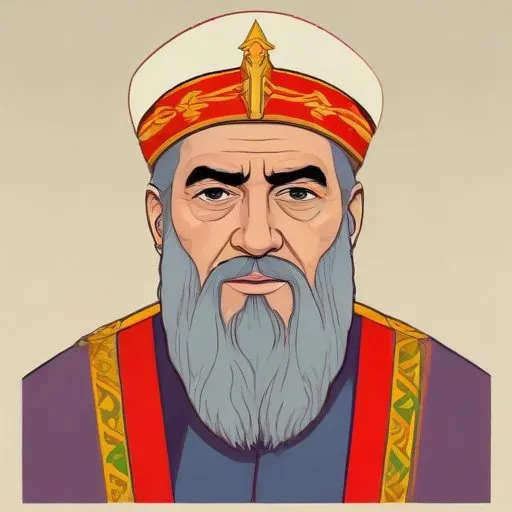
Ignatius IV of Antioch: The Visionary Patriarch of the Greek Orthodox Church
The Revolutionary Leader of the Antiochian Orthodox Church
Ignatius IV of Antioch, also known as Hazim, was the Patriarch of the Greek Orthodox Church of Antioch and All The East from 1979 to 2012, leaving an indelible mark on the Orthodox Christian world. He was a beacon of hope, reform, and spiritual renewal, dedicated to revitalizing the Church and its traditions for the modern era.
Early Life and Education
Born on April 4, 1920, in the village of Mhardeh, near Hama, Syria, Hazim came from a pious Greek Orthodox Syrian Arab Christian family. His early attraction to Church service led him to become an acolyte, subdeacon, and eventually a deacon while studying literature in Beirut, Lebanon.
Influences and Formation
During his time at the American University of Beirut, Hazim was deeply influenced by his philosophy professor, Charles Malik, who instilled in him a passion for philosophy and spirituality. This encounter had a profound impact on his life and ministry, shaping his vision for the Orthodox Church.
Founding the University of Balamand
In 1945, Hazim graduated from the St. Sergius Orthodox Theological Institute in Paris and returned to the Eastern Mediterranean, determined to establish an institution that would provide responsible leaders for the Patriarchate. He founded the University of Balamand in Lebanon, where he served as dean for many years, nurturing a new generation of Orthodox leaders.
Patriarchal Ministry
As Patriarch of the Greek Orthodox Church of Antioch and All The East, Ignatius IV worked tirelessly to revitalize the Church, promoting ecumenical dialogue, interfaith understanding, and social justice. His ministry was characterized by a deep commitment to Orthodox tradition, while also embracing the challenges of modernity.
Language and Cultural Bridge
As a polyglot, Ignatius IV spoke fluent Arabic, English, and French, serving as a cultural bridge between East and West, North and South. This unique gift enabled him to communicate the richness of Orthodox Christianity to a diverse and global audience.
Founding the Orthodox Youth Movement
In 1942, Ignatius IV co-founded the Orthodox Youth Movement of Lebanon and Syria, a dynamic organization that promoted spiritual growth, social engagement, and community service among young people.
Legacy and Impact
Ignatius IV's legacy extends far beyond his ecclesiastical achievements. He inspired countless individuals to engage with Orthodox Christianity, fostering a new era of spiritual renewal and social responsibility. His vision for the Church continues to shape the lives of Orthodox Christians worldwide.
Quotes and Memorable Sayings
- "The Church is not a museum, but a living, vibrant organism that must engage with the world." - Ignatius IV
- "Our Orthodox faith is not a relic of the past, but a living, breathing tradition that speaks to the needs of modern humanity." - Ignatius IV
Historical Context and Legacy
Ignatius IV's ministry coincided with a period of significant social, political, and religious change in the Middle East. His leadership and vision helped to navigate the Orthodox Church through these complexities, ensuring its continued relevance and vitality.
A Life of Service and Devotion
Throughout his life, Ignatius IV embodied the values of selfless service, compassion, and devotion. His unwavering commitment to the Orthodox Church and its people continues to inspire generations of Christians around the world.
In Memoriam
Ignatius IV of Antioch passed away on December 5, 2012, leaving behind a legacy of love, service, and spiritual renewal. His life and ministry serve as a testament to the enduring power of Orthodox Christianity to shape lives, communities, and the world.