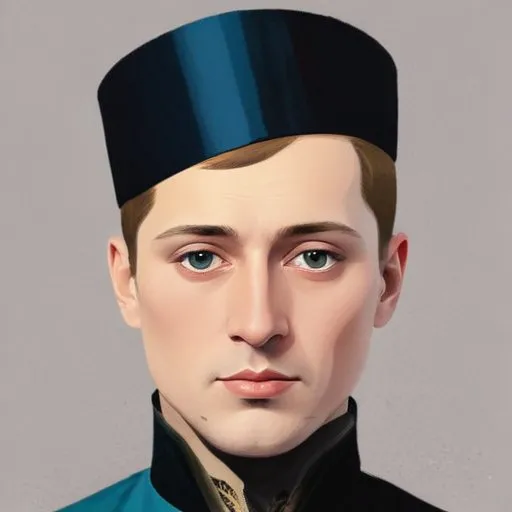
Igor Svyatoslavich: The Brave Prince of Chernigov
Early Life and Legacy
Igor Svyatoslavich, also known as Igor the Brave, was a renowned Prince of Novgorod-Seversk and Chernigov, leaving an indelible mark on medieval Eastern Europe. Born on April 3, 1151, Igor was the elder son of Svyatoslav Olgovich and his second wife, Catherine of Novgorod.
As a testament to his father's friendship with Prince Yury Vladimirovich of Suzdal, Igor was given the baptismal name Yury. His princely name, Igor, reflected the close bond between his father and his deceased brother.
Rise to Power
After his father's death in 1164, Igor's half-brother Oleg Svyatoslavich took control of Novgorod-Severskiy and entrusted Igor with Putivl. Before 1170, Igor married a daughter of Prince Yaroslav Osmomysl, solidifying his position among the ruling elite.
Confronting the Cumans
In June 1171, Igor led a successful campaign against the Cuman invaders, who were devastating the districts around Pereyaslavl. He crossed the Vorskla River, defeating the Khans Kobyak and Konchak, and took many nomads captive. This victory showcased Igor's military prowess and earned him the respect of his contemporaries.
Prince of Novgorod-Seversk and Chernigov
Following his half-brother Oleg's death in 1180, Igor succeeded him as the Prince of Novgorod-Severskiy. Later, he became the Prince of Chernigov, a position he held from 1198 to 1201.
Igor's reign was marked by strategic alliances and military campaigns, as he navigated the complex web of medieval politics. He convened with Sviatoslav III Vsevolodovich of Kiev, pledging allegiance to the new ruler and solidifying his position among the senior generation of Olgovich.
Historical Context and Legacy
Igor Svyatoslavich's life and reign were shaped by the turbulent 12th century, marked by constant threats from nomadic tribes and the struggle for power among the Eastern European principalities. Despite these challenges, Igor emerged as a respected leader, known for his bravery and military acumen. His legacy serves as a testament to the complexities of medieval politics and the enduring importance of strategic alliances.
- Igor's marriage to a daughter of Prince Yaroslav Osmomysl highlights the importance of family ties in medieval politics.
- His campaign against the Cumans showcases the ongoing struggle between Eastern European principalities and nomadic tribes.
Igor Svyatoslavich's story serves as a window into the intricate world of medieval politics, where alliances, military campaigns, and family ties shaped the destinies of princes and principalities alike.
FAQ
Who was Igor Svyatoslavich and what was his role in Russian history?
Igor Svyatoslavich was a Russian prince who ruled the Principality of Kiev from 1150 to 1151 and again from 1157 to 1161. He played a key role in the struggle for power in Kievan Rus during the 12th century.
What were the main challenges faced by Igor Svyatoslavich during his reign?
Igor Svyatoslavich faced several challenges, including the rivalry with his cousin, Iziaslav II, and the threat of the Cumans, a nomadic tribe from the steppes.
What is the significance of Igor Svyatoslavichs The Lay of Igors Campaign?
The Lay of Igors Campaign is an epic poem that tells the story of Igors military campaign against the Cumans. It is considered one of the most important works of medieval Russian literature and provides valuable insights into the culture and politics of the time.
How did Igor Svyatoslavichs reign impact the Principality of Kiev?
Igor Svyatoslavichs reign was marked by power struggles and conflicts with neighboring tribes, which weakened the Principality of Kiev and paved the way for its eventual decline.
What is Igor Svyatoslavichs legacy in Russian history?
Igor Svyatoslavich is remembered as a brave and ambitious prince who fought to maintain the power of the Principality of Kiev. His legacy has endured for centuries, and he remains an important figure in Russian history and literature.