


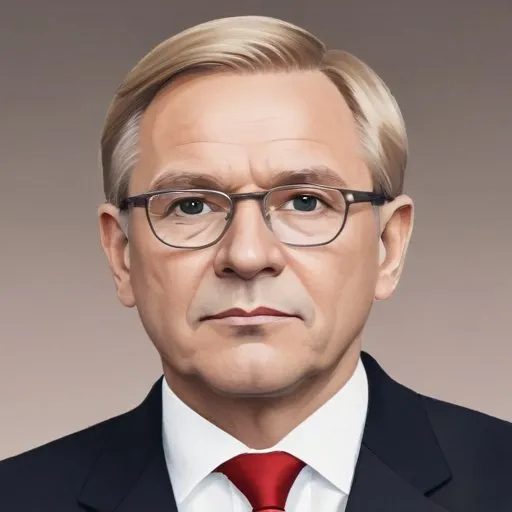
Ilmar Reepalu is a name synonymous with transformation and progress in Malmö, Sweden. As the 17th chairman of the municipal board, he spearheaded the city's metamorphosis from a declining industrial town to a thriving hub of knowledge and modern architecture, earning him widespread recognition and accolades.
Born on October 11, 1943, in Närva, Estonia, Reepalu's life was marked by displacement and resilience. His family fled the advancing Soviet forces in 1944, and after a treacherous boat journey, they were rescued by the Swedish Navy and eventually settled in Motala, Sweden.
Reepalu's academic pursuits took him to Chalmers University of Technology in Gothenburg, where he earned a degree in civil engineering in 1968 and trained as an architect in 1970. During this period, he was actively involved in political groups that opposed the proposed demolitions in the Haga district of Gothenburg.
Reepalu's political career began in 1958 as a student, when he helped establish the local branch of the Social Democratic Youth League. After serving as a combat diver in the Coastal Rangers, he moved to Malmö and began working as an urban planner. In 1985, he became a municipal commissioner, marking the beginning of his ascent to leadership.
Reepalu's tenure as chairman of the municipal board from 1994 to 2013 was marked by significant reforms and development initiatives. He played a crucial role in transforming Malmö into a knowledge hub, fostering a cultural renaissance, and promoting sustainable urban development.
During his term, Reepalu oversaw the revitalization of the city's economy, education system, and infrastructure. He also worked tirelessly to promote social cohesion, diversity, and inclusion, earning him recognition as a champion of human rights and social justice.
Reepalu's leadership was not without controversy. He faced criticism for his comments on alleged Jewish support for Israel, which were perceived as antisemitic. Additionally, there were concerns about rising crime rates in Malmö during his tenure.
Ilmar Reepalu's legacy is a testament to his unwavering commitment to progressive values and his vision for a better Malmö. His contributions have inspired generations of leaders, policymakers, and citizens, leaving an indelible mark on the city's landscape and psyche.
Reepalu's accomplishments have been recognized with several awards, including the Swedish Association of Architects' Gold Medal and the Malmö University Honorary Doctorate. His legacy continues to inspire and motivate leaders and citizens alike.
In conclusion, Ilmar Reepalu's remarkable journey serves as a beacon of hope and inspiration, reminding us of the transformative power of visionary leadership and the importance of staying true to one's convictions.
