


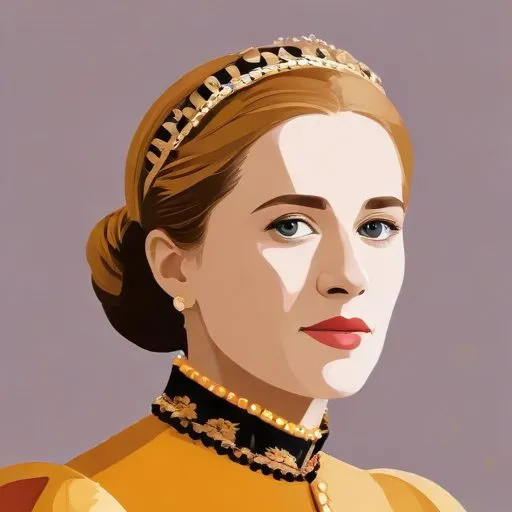
Infanta Cristina Federica of Spain, the duchess of Palma de Mallorca, is best known for being the youngest daughter of King Juan Carlos I and Queen Sofía of Spain, as well as her involvement in a high-profile corruption scandal that shook the Spanish royal family. As a member of the royal family, Infanta Cristina's life has been under constant scrutiny, with her private and public life making headlines around the world.
Born on June 13, 1965, in Madrid, Spain, Infanta Cristina was destined for a life of luxury and duty. Her early years were spent surrounded by the trappings of royalty, with her parents instilling in her the importance of service to the Spanish people. As the youngest of three siblings, Infanta Cristina was often overshadowed by her older brother, Felipe, who would eventually become King Felipe VI.
Despite her privileged upbringing, Infanta Cristina was determined to forge her own path. She pursued a degree in political science from the Complutense University of Madrid, followed by a master's degree in international relations from New York University. Her academic achievements laid the groundwork for a career in public service, with a focus on philanthropy and cultural diplomacy.
Infanta Cristina has been involved with various charitable organizations, including the Spanish Committee of UNICEF and the CaixaForum foundation. Her dedication to these causes has earned her recognition and respect, both within Spain and internationally.
In 2011, Infanta Cristina's life took a dramatic turn when she became embroiled in a corruption scandal surrounding her husband, Iñaki Urdangarin, and his business partner, Diego Torres. The scandal, known as the Noos case, centered around allegations of embezzlement and fraud involving public funds.
Although Infanta Cristina was eventually acquitted of any wrongdoing, the scandal damaged her reputation and led to her removal from official royal duties. The controversy also sparked a national debate about the accountability of Spain's royal family and the need for greater transparency.
Infanta Cristina's life serves as a testament to the complexities of royal duty and personal ambition. While her involvement in the Noos scandal tarnished her reputation, her philanthropic work and dedication to public service remain a testament to her commitment to the Spanish people. As a symbol of the Spanish monarchy, Infanta Cristina's story serves as a reminder of the need for accountability and transparency in public life.
Despite the controversies, Infanta Cristina remains a beloved figure in Spanish society, known for her discretion and loyalty to her family. As she navigates the complexities of her public and private life, Infanta Cristina continues to inspire and fascinate, a true duchess of discretion.
