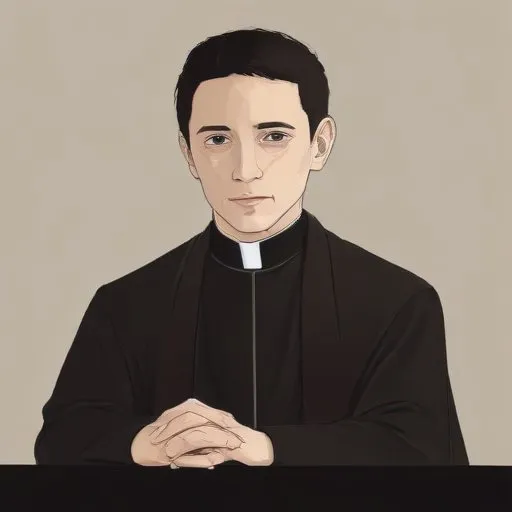
Isaac Jogues: The Fearless French Missionary
The Martyr of the North American Wilderness
Isaac Jogues is renowned for being the first European to name Lake George, dubbing it "Lac du Saint Sacrement" (Lake of the Blessed Sacrament), and for his tireless missionary work among the Iroquois, Huron, and other Native American populations in North America. Ultimately, his unwavering dedication to spreading Christianity led to his martyrdom at the hands of the Mohawk tribe in 1646.
Early Life and Education
Born on January 10, 1607, in Orléans, France, Isaac Jogues was the fifth of nine children to Laurent Jogues and Françoise de Sainte-Mesmin. He received his early education at home until the age of ten, after which he attended Jesuit schools. In 1624, Jogues entered the Jesuit novitiate at Rouen, where his Master of Novices was Louis Lallemant, a man who instilled in him a strong missionary spirit.
Jesuit Formation and Philosophy
Jogues professed simple vows in 1626 and went on to study philosophy at the royal college of La Flèche. He later taught humanities to boys in Rouen and pursued his theological studies at the Collège de Clermont in Paris, where he was ordained a priest in 1636. Jogues' Jesuit formation and philosophical beliefs revolved around selflessness, devotion, and the importance of evangelization.
Early Missions and Miracles
In 1636, Jogues arrived in New France (present-day Canada) as a missionary, where he worked alongside other prominent Jesuit missionaries, including
Jean de Brébeuf. Jogues' early mission work involved ministering to the Huron and Algonquin tribes, during which he performed several miracles, including healing the sick and restoring sight to the blind. These miracles earned him the respect and admiration of the Native American populations.
Martyrdom and Legacy
On October 18, 1646, Jogues was captured by the Mohawk tribe and brutally martyred at their village of Ossernenon, near the Mohawk River. In 1930, Jogues, along with Jean de Brébeuf and six other Jesuit martyrs, was canonized by the Catholic Church as the Canadian Martyrs, or the North American Martyrs. A shrine was built in their honor at Auriesville, New York, which is believed to be the site of the Mohawk village where Jogues was martyred.
Controversies and Perceptions
Jogues' missionary work and legacy have not been without controversy. Some have criticized the Jesuit missionaries for their role in the colonization of Native American lands and the imposition of European values on indigenous cultures. However, Jogues' selflessness, bravery, and genuine love for the Native American populations he served have earned him a revered place in history.
Quotes and Memorable Sayings
- "We must be prepared to suffer everything, even death, in the service of God."
- "Let us strive to make our way to Heaven, even if it means facing a thousand deaths."
Historical Context and Legacy
Isaac Jogues' life and martyrdom took place during a time of great turmoil in North America, marked by conflicts between European colonizers and Native American populations. Jogues' bravery, compassion, and devotion to his faith have inspired countless generations of missionaries, priests, and laypeople alike. His legacy continues to be celebrated on October 19, his feast day in the General Roman Calendar, and on September 26, his feast day in Canada.
Personal Milestones and Key Life Events
- 1607: Born in Orléans, France
- 1624: Entered the Jesuit novitiate at Rouen
- 1626: Professed simple vows
- 1633: Sent to the Collège de Clermont in Paris for theological studies
- 1636: Ordained a priest and arrived in New France as a missionary
- 1646: Captured and martyred by the Mohawk tribe
Impact on Modern Society
Isaac Jogues' legacy extends beyond the realm of Catholicism, inspiring people of all faiths to emulate his selflessness, compassion, and bravery. His story has also contributed to a greater understanding and appreciation of Native American cultures and histories. Jogues' martyrdom serves as a powerful testament to the enduring power of faith and conviction in the face of adversity.
FAQ
Who was Isaac Jogues and what was his role as a missionary?
Isaac Jogues was a French Jesuit priest and missionary who worked among the Native American populations in North America during the 17th century. He was known for his kindness, compassion, and dedication to spreading Christianity.
What were the challenges Isaac Jogues faced as a missionary?
Isaac Jogues faced numerous challenges as a missionary, including exposure to harsh weather conditions, illness, and violence from hostile Native American tribes. He was also subject to persecution by the English, who saw him as a threat to their colonial ambitions.
How did Isaac Jogues die?
Isaac Jogues was martyred in 1646 by a group of Iroquois warriors who were hostile to his mission. He was tortured and killed, along with his companion Jean de Brébeuf.
What is Isaac Jogues legacy in the Catholic Church?
Isaac Jogues was canonized as a saint in 1930, and is revered as a martyr and a model of devotion to his faith. He is considered one of the most important missionaries in North American history.
What are some of Isaac Jogues notable writings?
Isaac Jogues wrote several letters and reports about his missionary work, which provide valuable insight into the lives and cultures of the Native American populations he encountered. His writings are considered important historical documents and are still studied today.