


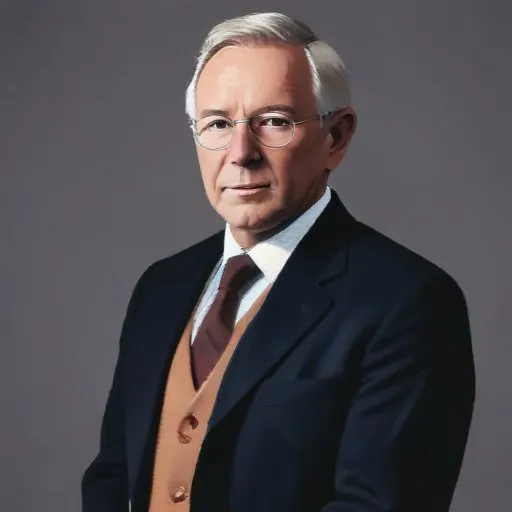
The 8th Governor of Arkansas was a pioneering educator and politician who played a significant role in shaping the state's education system during the Reconstruction Era. He's most known for his efforts to establish and improve public schools in Arkansas.
Isaac Murphy is revered for his unwavering stance against secession, becoming the only delegate to repeatedly vote against secession at the second Arkansas Secession Convention in 1861. This courageous act earned him a spot in history as a champion of the Union, setting him apart from his contemporaries.
Born on October 16, 1799, or 1802, in Pennsylvania, Murphy hailed from a wealthy family of paper manufacturers. He received his education locally and at Washington College (now Washington & Jefferson College) in Washington, Pennsylvania. Admitted to the bar in Allegheny County, Pennsylvania, on April 29, 1825, Murphy went on to teach school in Clarksville, Tennessee, where he met his future wife, Angelina Lockhart.
Murphy's journey in politics began in 1836, when he was elected as the first county treasurer of Washington County, Arkansas. He served for two years, followed by an appointment as a master in chancery in 1841. From 1837 to 1838, he ran the original government land lines for Franklin County, Arkansas, showcasing his dedication to public service.
In 1863, following the US Army's occupation of Arkansas, Murphy was elected as governor in a special election. He became the first Reconstruction governor of Arkansas, a position he held until the Reconstruction Acts were passed by Congress in 1867. Murphy's fiscal restraint and conciliatory attitude toward former Confederates earned him the respect of his peers and the people of Arkansas.
Murphy's unwavering commitment to the Union and his pivotal role in Arkansas' Reconstruction era have cemented his place in history. His legacy serves as a testament to the power of conviction and principled leadership.
Murphy's courageous stance against secession and his leadership during the Reconstruction era have inspired generations of Americans. His commitment to the Union and his dedication to public service serve as a beacon of hope for those striving to make a positive impact on their communities.
Murphy's actions were guided by his strong moral compass and his unwavering commitment to the principles of the Union. His beliefs in the importance of unity and the need for reconciliation in the aftermath of the Civil War continue to resonate with Americans today.
45 Years Old
A dominant wide receiver in the NFL, known for his athleticism, sure hands, and impressive career statistics, earning him seven Pro Bowl selections.
Born in 1822
Led the Union Army to victory in the Civil War and later became President, known for issuing the Emancipation Proclamation and strengthening federal authority.
Born in 1822
The 19th President of the United States, a general, lawyer, and politician who ended the Reconstruction era and withdrew federal troops from the South, allowing Racial Segregation to begin. He's also known for being a strong supporter of education and civil service reform.
Born in 1831
The 20th President of the United States was a multifaceted leader who served as a general in the Civil War and later became a lawyer and politician, known for his strong advocacy for education and civil rights. He's also infamous for being assassinated just six months into his presidency.
Born in 1829
The 21st President of the United States, a strong advocate for civil service reform, is most known for signing the Pendleton Civil Service Act, which transformed the federal government's hiring practices. He's also remembered for his unexpected rise to presidency after the assassination of James A. Garfield.
Born in 1837
The first Democrat elected after the Civil War, he served two non-consecutive terms, earning him a unique spot in history, and is often remembered for his strong leadership and commitment to limited government.
Born in 1726
A Virginia politician, planter, and merchant who served in the Continental Congress and played a key role in the American Revolution. He was a signer of the Declaration of Independence.
Born in 1843
The 25th President of the United States, a strong leader who championed high tariffs and annexed Hawaii, is most known for being assassinated at the 1901 World's Fair. He played a significant role in shaping the country's economy and foreign policy.
