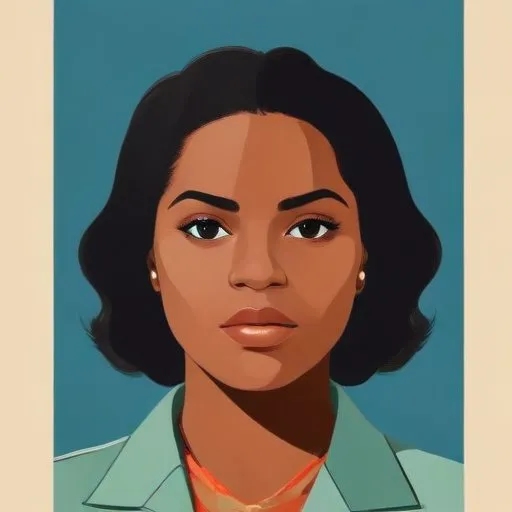
Isabel Noronha: Pioneering Mozambican Film Director
A Trailblazer in African Cinema
Isabel Noronha is a renowned Mozambican film director, known for her contributions to the growth of African cinema and her thought-provoking documentaries that shed light on the lives of marginalized communities. With a career spanning over three decades, Noronha has emerged as a pioneer in the Mozambican film industry, leaving an indelible mark on the world of cinema.
Early Life and Career
Born on March 18, 1964, in Loureno Marques (now Maputo), Mozambique, Noronha grew up in a family of intellectuals. Her father, a doctor from Goa, and her mother, a Mozambican, instilled in her a passion for storytelling and a curiosity about the world around her. In 1984, Noronha began her film career at the National Cinema Institute, where she worked her way up the ranks, learning the craft with other Mozambican filmmakers and technicians.
Pioneering Work in Mozambican Cinema
The mid-1980s were a crucial period in the Mozambican film industry, and Noronha was part of a group of budding filmmakers who made
O Tempo dos Leopardos (Time of the Leopards), considered to be the first feature film made in Mozambique. This period also saw the creation of her first two documentary films,
Hosi Katekisa Moambique and
Manjacaze, which showcased her unique storytelling style.
Independent Filmmaking and Coopimagem
In 1986, the government stopped funding the National Cinema Institute, leaving many filmmakers without jobs. Undeterred, Noronha started working as an independent filmmaker and co-founded the first video cooperative of the Mozambique directors guild, Coopimagem. This marked a significant turning point in her career, as she began to explore new themes and genres in her work.
Award-Winning Documentaries
In 1991, Noronha created
As na Cidade (Once upon a time in the city), a powerful documentary about child-soldier war refugees who sell newspapers in Maputo. This film earned her critical acclaim and recognition in the international film circuit.
Personal Milestones and Education
In 1991, Noronha gave birth to her daughter and decided to pursue her passion for psychology, enrolling in the Polytechnic University in Maputo. She went on to complete her bachelor's degree in clinical psychology, further enriching her understanding of human nature and its complexities.
Legacy and Impact
Isabel Noronha's contributions to Mozambican cinema are immense, and her films continue to inspire a new generation of filmmakers. Her pioneering spirit, creativity, and commitment to telling important stories have left an indelible mark on the world of cinema. As a role model for women in film, Noronha's legacy serves as a beacon of hope, encouraging others to follow in her footsteps and tell their own stories.
Quote
"As a filmmaker, I believe that the stories we tell have the power to shape our understanding of the world and ourselves. I strive to create films that inspire, educate, and challenge our perceptions." - Isabel Noronha
FAQ
What is Isabel Noronhas most notable achievement in filmmaking?
Isabel Noronha is a Mozambican film director, best known for her documentary films that explore themes of identity, culture, and social justice.
How did Isabel Noronha get involved in filmmaking?
Isabel Noronha developed an interest in filmmaking through her work in television production. She eventually pursued a degree in film direction, which led to her debut feature film, Sleepwalking Land.
What kind of films does Isabel Noronha typically make?
Isabel Noronhas films often focus on the experiences of marginalized communities, particularly in Mozambique and Africa. She uses storytelling to raise awareness about social issues and promote cultural understanding.
Has Isabel Noronha received any awards or recognition for her work?
Isabel Noronha has won several awards for her films, including the Best Director award at the Africa Movie Academy Awards and the Best Documentary award at the Festival de Cine Africano de Tarifa.
What is Isabel Noronha working on now?
Isabel Noronha is currently developing several film projects, including a feature film about the history of Mozambique and a documentary series on African women leaders.