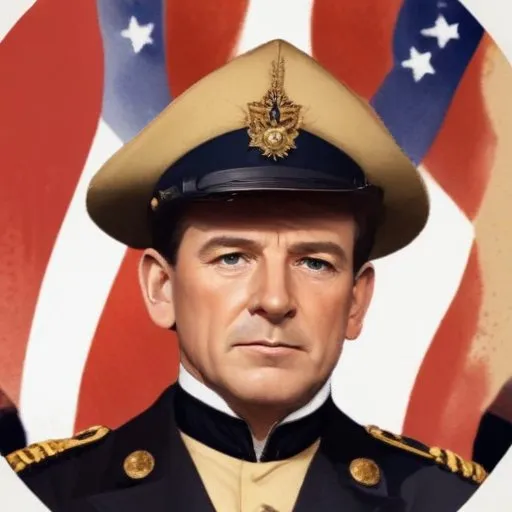
J. Lawton Collins: The Distinguished United States Army Officer
A Commander of Unparalleled Reach
J. Lawton Collins is renowned for being one of the few senior American commanders to have served in both the Pacific and European Theaters of Operations during World War II. He later went on to become the Chief of Staff of the United States Army during the Korean War, cementing his place as a prominent figure in American military history.
Early Life and Military Career
Born on May 1, 1896, in New Orleans, Louisiana, Collins was part of a large Irish Catholic family. He attended Catholic schools and graduated from Boys High School in 1912. Collins then attended Louisiana State University, where he competed for a congressional appointment to the United States Military Academy (USMA) at West Point, New York. He graduated 35th of 139 in 1917 and was commissioned as a second lieutenant into the Infantry Branch of the United States Army.
Rise to Prominence
Collins' remarkable military career spanned over four decades, during which he served in various capacities, including as a regimental commander, division commander, and corps commander. His experience in World War II, where he commanded the VII Corps in Europe and the XXV Corps in the Pacific, prepared him for his future role as Chief of Staff of the United States Army during the Korean War.
Notable Assignments and Commands
- VII Corps Commander, European Theater of Operations (1944-1945)
- XXV Corps Commander, Pacific Theater of Operations (1945)
- Chief of Staff, United States Army (1950-1953)
Influence on Modern Society
Collins' leadership and strategic thinking had a significant impact on the United States Army's capabilities and effectiveness during times of war. His experiences and insights also influenced the development of modern military doctrine and strategy.
Personal Milestones and Key Life Events
- May 1, 1896: Born in New Orleans, Louisiana
- 1912: Graduated from Boys High School
- 1917: Graduated from the United States Military Academy
- 1950-1953: Served as Chief of Staff, United States Army
- September 12, 1987: Passed away at the age of 91
Legacy and Historical Context
Collins' remarkable career and accomplishments have earned him a place alongside the most distinguished American military leaders. His experiences during World War II and the Korean War provide valuable insights into the complexities of modern warfare and the importance of effective leadership in times of crisis.
FAQ
What was J. Lawton Collins role in World War II?
J. Lawton Collins was a prominent American general during World War II, serving as the commander of the VII Corps and playing a key role in the Allied victory in Europe. He was known for his tactical expertise and leadership skills, which earned him several accolades and promotions.
What were J. Lawton Collins achievements during the Battle of Normandy?
During the Battle of Normandy, J. Lawton Collins led the VII Corps in the capture of Cherbourg and the subsequent breakout from the Normandy beachhead. He was instrumental in planning and executing the operation, which helped to secure a crucial Allied foothold in Europe.
What was J. Lawton Collins relationship with Dwight D. Eisenhower?
J. Lawton Collins had a close professional relationship with Dwight D. Eisenhower, who was the Supreme Allied Commander of the Allied Expeditionary Force in Europe. Collins often sought Eisenhowers counsel and guidance, and Eisenhower valued Collins tactical expertise and military judgment.
What were J. Lawton Collins post-war activities?
After the war, J. Lawton Collins served as the Chief of Staff of the United States Army and later became the U.S. Representative to the North Atlantic Treaty Organization (NATO). He also wrote several books about his wartime experiences and was involved in various veterans organizations.
What was J. Lawton Collins legacy in military history?
J. Lawton Collins legacy in military history is that of a skilled and innovative commander who played a significant role in the Allied victory in World War II. He is remembered for his tactical expertise, leadership skills, and contributions to the development of modern military doctrine.