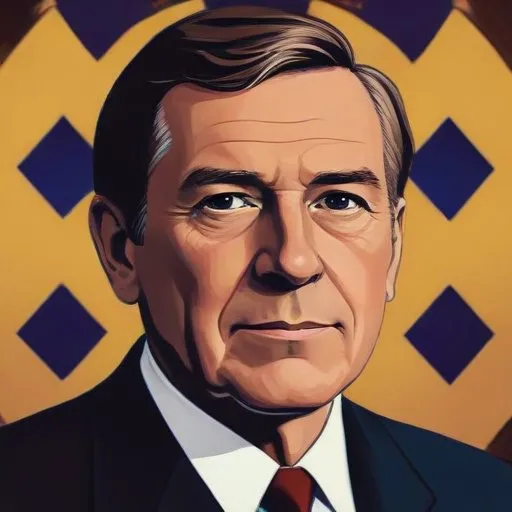
James F. Hinkle: The Pioneering Governor of New Mexico
A Career in Politics and Finance
James F. Hinkle, a stalwart of New Mexico's early days, is renowned for his multifaceted career as a banker, politician, and sixth governor of the state. During his tenure from 1923 to 1925, he championed the cause of First World War veterans by introducing a property tax exemption.
Early Life and Education
Born on October 20, 1862, in Franklin County, Missouri, Hinkle's early years were spent studying at the University of Missouri. In 1885, he ventured to New Mexico, where he established a successful business career that would lay the foundation for his future political endeavors.
Rise to Prominence
Hinkle's political career began in 1891 when he became a member of the Lincoln County Board of Commissioners, followed by a stint in the New Mexico Territorial House of Representatives from 1893 to 1896. He continued to ascend the political ladder, serving as a member of the New Mexico Territorial Senate in 1901 and later as the mayor of Roswell from 1904 to 1906.
Senator and Commissioner
Between 1912 and 1917, Hinkle represented the state as a member of the New Mexico State Senate. His commitment to public service led to his election as the New Mexico Commissioner of Public Lands in 1931, a position he held for two years.
Gubernatorial Tenure
Hinkle's most notable achievement came in 1922, when he was elected as the governor of New Mexico by popular vote. During his term, he focused on welfare initiatives, particularly those benefiting First World War veterans. His efforts culminated in the introduction of a property tax exemption for these veterans.
Legacy and Later Years
After leaving office in 1925, Hinkle remained active in business and continued to contribute to New Mexico's development. In recognition of his contributions to the cattle industry, he was inducted into the Hall of Great Westerners of the National Cowboy & Western Heritage Museum in 1964. James F. Hinkle passed away on March 26, 1951, in Roswell, New Mexico, leaving behind a legacy as a pioneering figure in New Mexico's history.
Notable Achievements
- Member of the Lincoln County Board of Commissioners (1891-1893)
- Member of the New Mexico Territorial House of Representatives (1893-1896)
- Member of the New Mexico Territorial Senate (1901)
- Mayor of Roswell (1904-1906)
- Member of the New Mexico State Senate (1912-1917)
- New Mexico Commissioner of Public Lands (1931-1933)
- Governor of New Mexico (1923-1925)
Through his diverse endeavors, James F. Hinkle left an indelible mark on New Mexico's politics, finance, and cattle industry, cementing his status as a pivotal figure in the state's history.
FAQ
What were James F. Hinkles achievements as Governor of New Mexico?
James F. Hinkle served as the 6th Governor of New Mexico, implementing policies that promoted economic growth, improved infrastructure, and enhanced public education. He also worked to protect the states natural resources and promote tourism.
How did James F. Hinkles banking career influence his politics?
James F. Hinkles experience in banking gave him a deep understanding of finance and economics, which he applied to his political career. He used his knowledge to promote sound fiscal policies and economic development in New Mexico.
What were James F. Hinkles views on education reform?
James F. Hinkle believed that education was essential for the development of New Mexicos citizens and economy. He advocated for increased funding for public education, teacher training, and curriculum reform to improve student outcomes.
How did James F. Hinkles governorship impact New Mexicos infrastructure?
During his governorship, James F. Hinkle invested heavily in improving New Mexicos infrastructure, including roads, bridges, and public buildings. He also promoted the development of water resources and irrigation systems to support agriculture.
What is James F. Hinkles legacy in New Mexico politics?
James F. Hinkles legacy in New Mexico politics is that of a pragmatic leader who worked to promote economic growth, education, and infrastructure development. His commitment to public service and community engagement continues to inspire future generations of politicians and citizens.