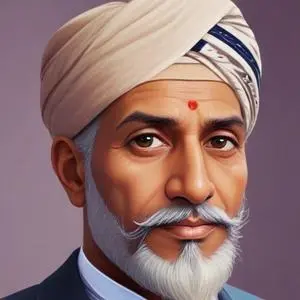
The Visionary Industrialist: Jamsetji Tata
A Legacy of Innovation and Philanthropy
Jamsetji Tata is revered as the founder of the Tata Group, India's largest conglomerate company, and the brains behind the establishment of the iconic city of Jamshedpur. He is remembered for his groundbreaking entrepreneurial spirit, innovative strategies, and commitment to industrial development in India.
A Humble Beginning
Born on March 3, 1839, in Navsari, Gujarat, India, Jamsetji Tata was part of a Zoroastrian Parsi family that had fled persecution in Persia (modern-day Iran) and found refuge in India. His family, traditionally priests, had not ventured into business until Jamsetji broke the mold to become the first entrepreneur in his family. This departure from tradition was a testament to his vision and determination.
Education and Early Ventures
Jamsetji's education was marked by Western influences, which he received after showcasing exceptional abilities in mental arithmetic. He graduated from Elphinstone College in Mumbai as a Green Scholar, an honor bestowed upon outstanding students. He worked in his father's export-trading firm before recognizing opportunities in the cotton industry during a business trip to China. This led him to establish a trading company in 1868, which would become the foundation of the Tata Group.
Industrial Pioneering
Jamsetji's innovative strategies and commitment to industrial development in India led him to establish several key institutions and companies. Some of his notable ventures include:
- The Taj Mahal Hotel in Mumbai, India's first hotel with electricity.
- Tata Steel, which was the first steel plant in Asia.
- Tata Power, which revolutionized India's power sector.
- The Indian Institute of Science, which was established with a generous donation from Jamsetji.
Philanthropy and Social Impact
Jamsetji Tata was a philanthropist at heart, particularly in the fields of education and healthcare. His donations and foundations laid the groundwork for modern Indian industry and philanthropy. His legacy includes the city of Jamshedpur, named in his honor, and a lasting impact on India's industrial and social landscape.
Personal Life and Legacy
Jamsetji married Hirabai Daboo, and their sons, Dorabji Tata and Ratanji Tata, continued his legacy within the Tata Group. His contributions were recognized posthumously, including being ranked first in the Hurun Philanthropists of the Century 2021 by total donations.
A Lasting Legacy
Jamsetji Tata's vision, innovation, and philanthropy have left an indelible mark on India's industrial and social landscape. His legacy serves as a testament to the power of entrepreneurship, innovation, and giving back to the community. As
Jawaharlal Nehru aptly put it, Jamsetji Tata was indeed a "One-Man Planning Commission."
FAQ
What was Jamsetji Tatas role in Indian industry?
Jamsetji Tata was an Indian businessman who founded the Tata Group, a conglomerate that played a key role in Indias industrial development.
What were Jamsetji Tatas major business ventures?
Tata founded several companies, including Tata Steel, Tata Motors, and Tata Power, which became cornerstones of Indian industry.
What was Jamsetji Tatas vision for Indian economic development?
Tata believed in the importance of Indian self-sufficiency and economic independence, driving his efforts to build a robust and diversified industrial base.
How did Jamsetji Tatas philanthropy impact Indian society?
Tata was a generous philanthropist, supporting education, healthcare, and social welfare initiatives that improved the lives of countless Indians.
How is Jamsetji Tata remembered in Indian history?
Tata is revered as a pioneering entrepreneur, philanthropist, and nation-builder who played a crucial role in shaping modern India.