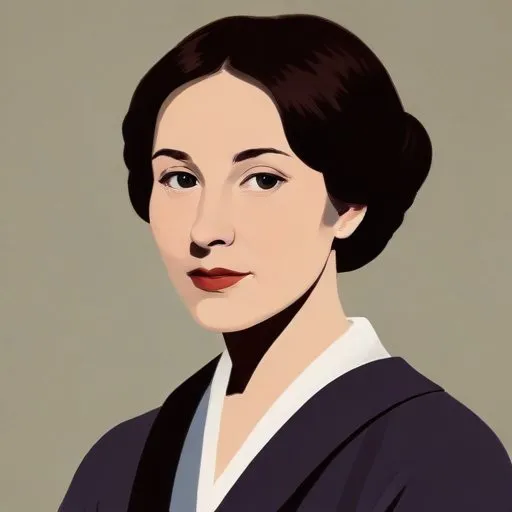
Jane Elizabeth Conklin: The Poetic Voice of the 19th Century
A Woman of Words and Service
Jane Elizabeth Conklin was a renowned American poet, religious writer, and devoted public servant of the 19th century. She is best known for her three volumes of poetry, her presidency of the Women's Relief Corps of the Grand Army of the Republic, and her remarkable elocution skills.
Early Life and Education
Born on July 7, 1831, in Utica, New York, Conklin's family roots traced back to Scotland, with her great-grandfather, Gregor Grant, serving in the Continental Army during the American Revolutionary War. Her father, born in Paris, New York, was of English descent, while her mother was the daughter of William W. Williams, a respected architect from Albany, New York. Conklin received her education at the Utica Female Academy and Mrs. Brinkerhoff's School for Young Ladies in Albany, where she developed a passion for writing that would last a lifetime.
A Life of Literary Pursuits
Conklin's writing career began at the tender age of 14, with her poems being published in local newspapers. She continued to write prolifically, contributing to various publications, including the Utica Gospel Messenger and a New York City weekly. Her poetry was not only celebrated for its beauty but also for its ability to inspire and uplift. Many of her poems were sung in religious meetings, further cementing her reputation as a poet of faith.
Published Works and Elocution
Conklin's published works include three volumes of poetry, the first of which was released in 1884 to great acclaim. Her poetry was marked by its lyricism, emotional depth, and exploration of themes such as love, nature, and spirituality. As an elocutionist, Conklin was known for her powerful delivery, which brought her poetry to life and captivated audiences.
Public Service and Legacy
Conklin's commitment to public service was exemplified by her presidency of the Women's Relief Corps of the Grand Army of the Republic, a organization dedicated to supporting veterans and their families. She served in this capacity for three years, earning the respect and admiration of her peers. Through her poetry, public service, and elocution, Conklin left an indelible mark on the cultural and social landscape of her time.
Personal Life and Milestones
In 1865, Conklin married Cramer H. Conklin, a veteran of the American Civil War. The couple lived in Binghamton, New York, where Conklin continued to write and engage in public service. Her family life was marked by a strong sense of loyalty and dedication, which was reflected in her poetry and public endeavors.
A Lasting Impact
Jane Elizabeth Conklin's extraordinary life and work have left a lasting impact on American literary and cultural history. Through her poetry, public service, and elocution, she demonstrated the power of words to inspire, uplift, and bring people together. Her legacy continues to inspire new generations of writers, poets, and public servants, ensuring that her voice will be heard for years to come.
Quotes and Memorable Sayings
- "The heart is the fountain of poetry, and the poet is its most faithful interpreter."
- "In the silence of the soul, we find the music of the universe."
Trivia and Fun Facts
- Conklin's poetry was often set to music and sung in religious meetings.
- She was a prolific writer, contributing to numerous publications throughout her life.
- Conklin's elocution skills were so renowned that she was often called upon to recite her poetry at public events.
FAQ
What was Jane Elizabeth Conklins role in American literature?
Jane Elizabeth Conklin was an American poet and religious writer who made significant contributions to American literature. Her works reflected her deep faith and her concern for social justice.
What themes did Jane Elizabeth Conklins poetry explore?
Jane Elizabeth Conklins poetry explored themes of faith, hope, and social justice. She wrote about the importance of living a virtuous life and promoting fairness and equality.
How did Jane Elizabeth Conklins faith influence her writing?
Jane Elizabeth Conklins faith had a profound impact on her writing. She saw her work as a way to express her devotion to God and to inspire others to live according to Christian principles.
What impact did Jane Elizabeth Conklins writing have on American culture?
Jane Elizabeth Conklins writing had a significant impact on American culture, inspiring generations of readers to reflect on their values and beliefs. Her poetry and essays promoted a sense of moral purpose and social responsibility.
What is Jane Elizabeth Conklins legacy in American literary history?
Jane Elizabeth Conklins legacy in American literary history is that of a pioneering poet and writer who explored themes of faith, hope, and social justice. Her works continue to inspire readers today.