


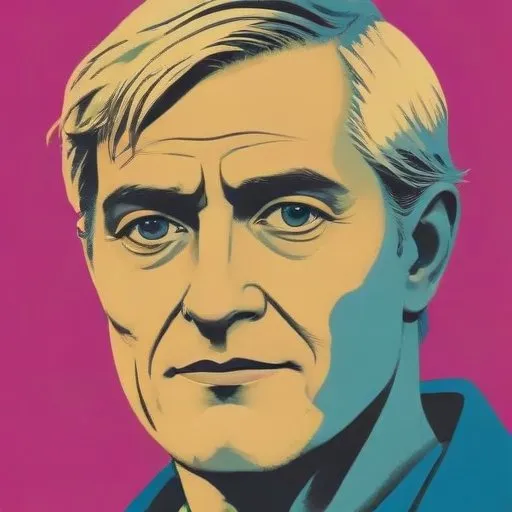
Faroese poet celebrated for his lyrical and introspective works that explored the human condition, love, and the Faroese landscape.
Janus Djurhuus, a luminary of Faroese literature, is hailed as the first modern Faroese poet, whose works reverberated across the literary landscape, leaving an indelible mark on the cultural heritage of the Faroe Islands. Born on February 26, 1881, in Tórshavn, Djurhuus' poetic genius was nurtured by his surroundings, family, and education, which ultimately shaped his remarkable literary journey.
Djurhuus' parents, la Jkup Djurhuus and Else Marie (née Poulsen), instilled in him a deep love for the Faroese language and culture. His great-grandfather, Jens Christian Djurhuus, was a respected figure in Faroese literature, and his younger brother, Hans Andreas Djurhuus, would also go on to become a renowned poet. The brothers' collaborative efforts earned them the nickname "the árstova brothers," after the house where they grew up, árstova.
The spark of poetry was ignited in Djurhuus during his school days, when he heard Jkup Dahl recite Jannes Patursson's "Nú er tann stundin komin til handa" (Now is the hour come for acting), an anthem that played a significant role in the rise of Faroese nationalism. This experience had a profound impact on Djurhuus, shaping his literary endeavors and fuelling his passion for promoting the Faroese language and culture.
Djurhuus' poetic prowess was evident in his debut publication, "Blár er summer ntí Froya landi" (Blue is the summer in Froya's land), which appeared in 1901. His first collection of poems, "Yrkingar" (Poems), was published in 1914, marking a milestone in Faroese literature as the first collection of a single poet's work. He went on to publish four more collections of poems, solidifying his position as a master of Faroese poetry.
In addition to his poetic achievements, Djurhuus was an accomplished translator, who bridged the gap between classical and modern literature. He translated ancient Greek and Latin works, including Plato's Dialogues and poetry by Sappho, as well as works by renowned poets such as Goethe, Dante, Heinrich Heine, and Gustaf Fröding. His poetic translation of the Iliad was published posthumously, further underscoring his linguistic and cultural expertise.
Janus Djurhuus' literary contributions have left an enduring impact on Faroese literature and culture. His pioneering efforts have inspired generations of writers and poets, cementing his position as a cultural icon of the Faroe Islands. His work continues to be celebrated and studied, serving as a testament to his dedication to promoting the Faroese language and culture.
Djurhuus' literary achievements have contributed significantly to the preservation and promotion of the Faroese language and culture. His work has inspired a new generation of writers, poets, and artists, ensuring the continued relevance and importance of Faroese cultural heritage in modern society.
Born in 1862
Noted Norwegian actor and director, known for his contributions to the country's early film industry and pioneering work in silent cinema.
