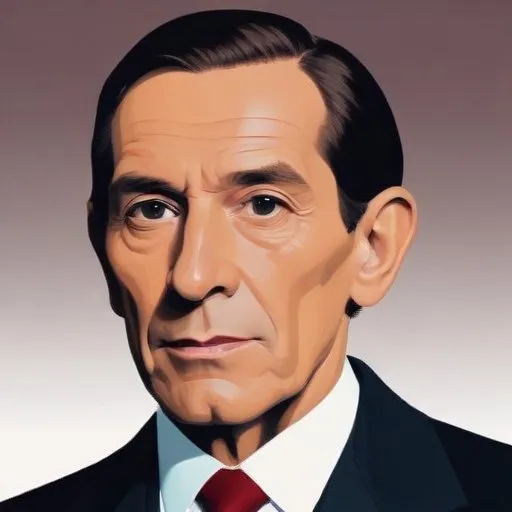
Jeremy Thorpe: The Rise and Fall of a British Political Icon
A Leader of Controversy and Intrigue
Jeremy Thorpe is best known for his leadership of the Liberal Party from 1967 to 1976, during which time he navigated the party to unprecedented electoral success, and for his subsequent trial and acquittal on charges of conspiracy and incitement to murder his former lover, Norman Scott.
Thorpe's political career was marked by both triumph and scandal, earning him a place in British history as one of the most fascinating and controversial figures of the 20th century.
Early Life and Political Beginnings
Born on April 29, 1929, Thorpe was the son and grandson of Conservative Members of Parliament (MPs). Despite his family's political leanings, Thorpe decided to align himself with the smaller Liberal Party, which he believed offered a more progressive alternative to the dominant Conservative and Labour parties.
Thorpe read Law at Oxford University, where he developed a passion for politics and became one of the Liberal Party's brightest stars in the 1950s. He entered Parliament at the age of 30, quickly making a name for himself as a charismatic and skilled orator.
Rise to Prominence
In 1967, Thorpe was elected leader of the Liberal Party, a position he held until 1976. Initially, his leadership was marked by uncertainty, and the party lost ground in the early years. However, Thorpe capitalized on the growing unpopularity of the Conservative and Labour parties, leading the Liberals to a remarkable period of electoral success.
The February 1974 general election saw the Liberal Party win a record 6 million votes, although this translated to only 14 seats under the first-past-the-post electoral system. Nevertheless, Thorpe's party held significant influence in the hung parliament, and he was offered a cabinet post by Conservative Prime Minister
Edward Heath in exchange for his support.
The Norman Scott Affair and Downfall
Thorpe's fortunes took a dramatic turn for the worse in late 1975, when rumors of his involvement in a plot to murder Norman Scott began to circulate. Scott, a former model and Thorpe's former lover, had been threatening to expose Thorpe's alleged wrongdoing.
In May 1979, Thorpe was tried at the Old Bailey on charges of conspiracy and incitement to murder Scott. Although he was acquitted on all charges, the scandal and the ensuing trial destroyed his political career.
Legacy and Impact
Despite his fall from grace, Thorpe's impact on British politics cannot be overstated. He played a significant role in shaping the country's electoral landscape, and his leadership of the Liberal Party contributed to its growth and influence.
Thorpe's story serves as a cautionary tale about the dangers of ambition, power, and the darker aspects of human nature. His legacy continues to fascinate and intrigue, offering a glimpse into the complex and often tumultuous world of British politics.
Key Dates and Milestones
- 1929: Born on April 29
- 1951: Enters Parliament at the age of 30
- 1967: Elected leader of the Liberal Party
- 1974: Leads the Liberal Party to a record 6 million votes in the general election
- 1976: Resigns as leader of the Liberal Party
- 1979: Tried and acquitted on charges of conspiracy and incitement to murder Norman Scott
- 2014: Passes away on December 4
Personal Quotes and Reflections
"I have always believed that politics should be about people, not about parties or power." - Jeremy Thorpe
Thorpe's story is a complex and multifaceted one, full of contradictions and paradoxes. While his political achievements are undeniable, his personal life and scandals have overshadowed his legacy. Nevertheless, his impact on British politics continues to be felt, and his story remains a fascinating and thought-provoking one.
FAQ
What was Jeremy Thorpes political party?
Jeremy Thorpe was a member of the Liberal Party of the United Kingdom, and served as the partys leader from 1967 to 1976.
What was Jeremy Thorpes scandal?
Jeremy Thorpe was involved in a major political scandal in the 1970s, when he was accused of conspiring to murder his former lover, Norman Scott, to prevent him from revealing their affair.
What was Jeremy Thorpes career before politics?
Before entering politics, Jeremy Thorpe worked as a lawyer, and later became a lecturer at the University of London.
What were Jeremy Thorpes political views?
Jeremy Thorpe was a liberal and a social democrat, and his political views were influenced by his Quaker upbringing and his experiences as a lawyer and academic.
What was Jeremy Thorpes legacy?
Jeremy Thorpes legacy is marked by his leadership of the Liberal Party and his advocacy for social liberal causes, but is also tainted by the scandal that brought down his career.