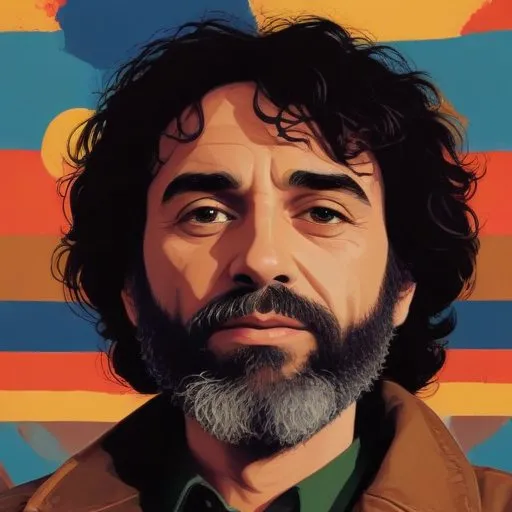
Jerry Rubin: The Maverick of Social Activism
A Counterculture Icon of the 1960s
Jerry Rubin, the charismatic leader of the Youth International Party (YIP), also known as the Yippies, was a prominent figure in the counterculture movement of the 1960s. As a social activist, Rubin was instrumental in shaping the antiwar movement, and his radical views and unconventional methods of protest made him a household name.
Early Life and Education
Born on July 14, 1938, in Cincinnati, Ohio, Rubin grew up in a working-class family. His parents, Esther Katz and
Robert Rubin, instilled in him a strong sense of social justice, which would eventually shape his activism. Rubin attended Walnut Hills High School, where he coedited the school newspaper, The Chatterbox, and developed a passion for writing. He then attended Oberlin College, Hebrew University in Jerusalem, and finally graduated from the University of Cincinnati with a degree in history.
The Birth of the Yippies
In 1967, Rubin, along with
Abbie Hoffman, cofounded the Youth International Party (YIP), a radical movement that rejected mainstream politics and sought to overthrow the establishment. The Yippies were known for their theatrical protests, which often involved pranks, satire, and street theater. Rubin's charisma and oratory skills made him a natural leader, and he quickly became the face of the Yippies.
The Chicago Seven Trial
In 1968, Rubin was one of the defendants in the infamous Chicago Seven trial, where he and six other activists were charged with conspiracy to riot during the Democratic National Convention. The trial was marked by controversy, with Rubin and his codefendants using the courtroom as a platform to protest the war in Vietnam and challenge the authority of the government.
A Shift in Focus
In the 1970s, Rubin's radical views began to moderate, and he shifted his focus from activism to business. He started a successful career as a stockbroker and eventually became a wealthy entrepreneur. This transformation was met with both surprise and criticism from his former comrades, who saw it as a betrayal of his radical roots.
Philosophical Contributions and Beliefs
Throughout his life, Rubin's philosophical beliefs were shaped by his commitment to social justice and his rejection of mainstream values. He believed in the power of nonviolent protest and the importance of challenging authority. Rubin's views on capitalism were also influenced by his experiences as a businessman, and he came to believe that capitalism could be a force for good if harnessed correctly.
Influence on Modern Society
Rubin's legacy extends far beyond his activism in the 1960s. He played a significant role in shaping the counterculture movement, which laid the groundwork for future social and political protests. His influence can be seen in the anti-globalization movement, the Occupy Wall Street protests, and the Black Lives Matter movement, all of which owe a debt to Rubin's innovative approach to protest and activism.
Personal Milestones and Key Life Events
- 1964: Drops out of the University of California, Berkeley, to focus on social activism
- 1967: Cofounds the Youth International Party (YIP) with Abbie Hoffman
- 1968: Stands trial as one of the Chicago Seven
- 1970s: Shifts focus from activism to business and becomes a successful entrepreneur
- 1994: Dies in a car accident on November 28, at the age of 56
Quotes and Memorable Sayings
- "Do it! We're Yippies, and we're gonna make a mess!"
- "The Yippies are the modern-day equivalent of the medieval jesters, who used pranks and humor to criticize the royal court."
- "The only way to get anything done is to take a chance and do it."
Historical Context and Legacy
Jerry Rubin's life and activism were shaped by the tumultuous 1960s, a decade marked by social upheaval, political turmoil, and cultural change. His legacy is complex, reflecting both his radical roots and his later shift towards capitalism. Rubin's influence on modern society is undeniable, and his innovative approach to protest and activism continues to inspire new generations of social activists.
FAQ
What was Jerry Rubins role in the counterculture movement?
Jerry Rubin was a key figure in the counterculture movement of the 1960s, particularly as a leader of the Youth International Party (Yippies) and a prominent anti-war activist.
What were Jerry Rubins notable protests and demonstrations?
Jerry Rubins notable protests and demonstrations include the 1968 Democratic National Convention protests, the Days of Rage protests, and the Chicago Seven trial.
What was Jerry Rubins relationship with Abbie Hoffman?
Jerry Rubins relationship with Abbie Hoffman was one of close friendship and collaboration, with the two activists often working together on political campaigns and protests.
What were Jerry Rubins later activities and causes?
Jerry Rubins later activities and causes included his involvement in the anti-nuclear movement, his advocacy for environmental issues, and his work as a entrepreneur and businessman.
What is Jerry Rubins legacy?
Jerry Rubins legacy is marked by his commitment to social justice, his contributions to the counterculture movement, and his impact on American politics and activism.