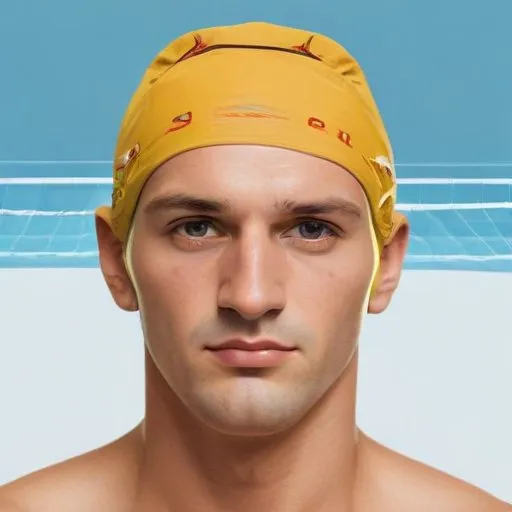
Jerzy IwanowSzajnowicz: The Polish-Greek Athlete-Turned-Saboteur Who Fought Against the Nazis
A Life of Duality and Bravery
Jerzy IwanowSzajnowicz, also known as Georgios Ivanof-Sainovits, was a Polish-Greek athlete who doubled as a saboteur in the Greek Resistance during World War II. He is remembered for his bravery and sacrifice, ultimately giving his life in the fight against the German occupation.
Early Life and Athletic Career
Born on December 14, 1911, in Warsaw, Poland, to a Russian army colonel and a Polish mother, Jerzy's life was marked by duality from the start. After his parents' divorce, his mother married a Greek, Ioannis Lambrinidis, and the family emigrated to Thessaloniki, Greece in 1926. It was in Greece that Jerzy discovered his passion for sports, becoming a talented swimmer and water polo player. In 1934, he became the Greek champion in the 100m freestyle swimming event.
From Athlete to Saboteur
With the outbreak of World War II, Jerzy's life took a dramatic turn. He helped organize the evacuation of Polish refugees in Thessaloniki and later joined the Polish intelligence. In 1940, he fled to the Middle East to join the exiled Polish forces, where he was recruited by the Polish intelligence and the British Special Operations Executive (SOE) for an undercover mission in Greece.
Undercover in Greece
On October 13, 1941, Jerzy was brought to the coast of Attica, near Nea Makri, by the British submarine HMS Thunderbolt N25. He established an extensive intelligence network, providing crucial information to the Allies on the military and political situation in Greece, as well as on the Greek war industry and ship and railway schedules.
Sacrifice and Legacy
Jerzy's bravery ultimately cost him his life. He was arrested by the Germans and executed on January 4, 1943. His sacrifice, however, has not been forgotten. Jerzy IwanowSzajnowicz remains a symbol of resistance against the Nazi occupation, and his legacy continues to inspire generations.
Philosophical Contributions and Beliefs
Jerzy's actions were guided by his strong sense of duty and loyalty to his country and people. He believed in the importance of fighting against oppression and tyranny, even in the face of overwhelming odds.
Influence on Modern Society
Jerzy's story serves as a powerful reminder of the importance of resistance and bravery in the face of adversity. His sacrifice has inspired countless individuals to stand up against injustice and fight for their freedom.
Personal Milestones and Key Life Events
- 1911: Born in Warsaw, Poland
- 1926: Emigrated to Thessaloniki, Greece with his mother and stepfather
- 1934: Became Greek champion in the 100m freestyle swimming event
- 1935: Became a Polish citizen and joined AZS Warsaw's water polo team
- 1940: Fled to the Middle East to join the exiled Polish forces
- 1941: Conducted undercover mission in Greece with the SOE
- 1943: Arrested and executed by the Germans
Trivia and Fun Facts
- Jerzy graduated from the University of Louvain in agricultural engineering and later pursued postgraduate courses at the école nationale supérieure d'agriculture coloniale in Paris.
- He was declared Poland's top water polo player in 1938.
Historical Context and Legacy
Jerzy IwanowSzajnowicz's story is a testament to the bravery and sacrifice of those who fought against the Nazi occupation during World War II. His legacy serves as a powerful reminder of the importance of resistance and the human spirit.
FAQ
What are the athletic achievements of Jerzy Iwanow-Szajnowicz?
Jerzy Iwanow-Szajnowicz was a Greek-Polish swimmer and water polo player who represented Poland in the 1928 Summer Olympics, winning a bronze medal in the 4x200m freestyle relay event.
How did Jerzy Iwanow-Szajnowicz balance swimming and water polo?
As a dual-sport athlete, Jerzy Iwanow-Szajnowicz had to balance his training and competition schedules between swimming and water polo, which required unique skills and strategies.
What is Jerzy Iwanow-Szajnowiczs legacy in Polish sports?
Jerzy Iwanow-Szajnowicz is considered a pioneer in Polish swimming and water polo, inspiring future generations of athletes and earning recognition for his contributions to the sports.
What was Jerzy Iwanow-Szajnowiczs early life like?
Born in 1911, Jerzy Iwanow-Szajnowicz grew up in a family that valued athletics, and he began swimming and playing water polo at a young age, eventually becoming a standout athlete in both sports.
How did Jerzy Iwanow-Szajnowiczs sports career impact his personal life?
As a renowned athlete, Jerzy Iwanow-Szajnowiczs sports career likely influenced his personal life, including his relationships, education, and career choices outside of sports.