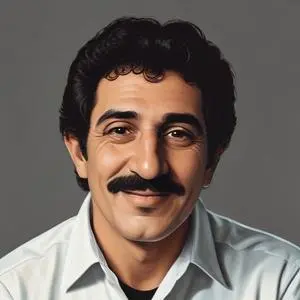
Jim Croce: The Folk-Rock Singer-Songwriter Who Left an Indelible Mark
A Soulful Voice and Timeless Melodies
Jim Croce is best known for his poignant and introspective songwriting style, which earned him a loyal following and critical acclaim in the 1970s. With his soothing voice and acoustic guitar-based sound, Croce crafted songs that resonated with audiences, tackling themes of love, life, and social commentary.
Early Life and Musical Beginnings
Born on January 10, 1943, in South Philadelphia, Pennsylvania, Croce grew up in a musical family. His Italian-American parents, James Albert Croce and Flora Mary Babusci Croce, instilled in him a love for music from an early age. Croce's early musical influences ranged from folk and rock to country and R&B. He attended Villanova University, where he majored in psychology and minored in German, and began performing music locally.
Breakthrough and Partnership with Maury Muehleisen
Croce's big break came in 1972 with the release of his third album,
You Don't Mess Around with Jim, which featured three charting singles, including the hit song "Time in a Bottle." This success was largely attributed to his partnership with songwriter and guitarist Maury Muehleisen, with whom he collaborated on many of his most famous songs.
Chart-Topping Hits and Legacy
Croce's subsequent albums,
and , spawned more hit singles, including "Bad, Bad Leroy Brown" and the title track "I Got a Name." Tragically, Croce's life was cut short in a plane crash on September 20, 1973, just as his career was reaching new heights. Despite his untimely death, Croce's music continued to chart throughout the 1970s, cementing his legacy as a singer-songwriter.
Influence on Modern Music
Croce's impact on modern music is undeniable. His introspective songwriting style has influenced generations of musicians, from folk and rock to country and pop. Artists such as James Taylor, Cat Stevens, and Jason Mraz have cited Croce as an inspiration, and his songs continue to be covered and reinterpreted by musicians today.
Personal Life and Family
Croce was married to Ingrid Jacobson, a singer-songwriter in her own right, who continued to write and record music after his death. Their son, A.J. Croce, followed in his father's footsteps, becoming a singer-songwriter in the 1990s. Despite the tragedy that befell his family, Croce's legacy lives on through his music and the countless lives he touched.
Awards and Accolades
Croce's contributions to music have been recognized with numerous awards and accolades. He was posthumously awarded two Grammy nominations, and his song "Time in a Bottle" was inducted into the Grammy Hall of Fame in 2003.
Remembering Jim Croce
Jim Croce's legacy extends far beyond his music. He was a gifted storyteller, a devoted husband and father, and a passionate advocate for social justice. Through his songs, Croce continues to touch hearts and inspire new generations of musicians and music lovers alike.
FAQ
What were Jim Croces biggest hits?
Jim Croces biggest hits include Bad, Bad Leroy Brown, Time in a Bottle, and Ill Have to Say I Love You in a Song. These songs showcased his unique blend of folk, rock, and pop music.
How did Jim Croces life end?
Jim Croces life tragically ended in a plane crash on September 20, 1973, just hours after recording the final track for his album I Got a Name. He was only 30 years old at the time of his death.
What was Jim Croces songwriting style?
Jim Croces songwriting style was characterized by his storytelling ability, witty lyrics, and soothing melodies. His songs often dealt with themes of love, relationships, and everyday life.
Did Jim Croce have any musical influences?
Jim Croce was heavily influenced by folk musicians such as Woody Guthrie and Bob Dylan. He was also influenced by rock and pop music of the 1960s and 1970s.
What is Jim Croces legacy?
Jim Croces legacy lives on through his music, which continues to be popular to this day. He is remembered as a talented singer-songwriter who left a lasting impact on the music industry.