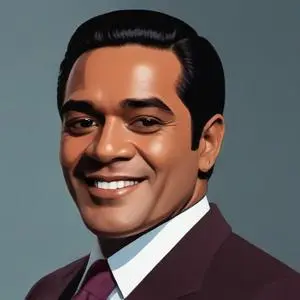
Jim Jones: The Enigmatic Leader of the Peoples Temple
A Legacy of Tragedy and Terror
Jim Jones, the charismatic leader of the Peoples Temple, is infamously known for orchestrating one of the most horrific mass suicides in modern history. On November 18, 1978, Jones and over 900 of his followers died in a tragic event at Jonestown, Guyana, leaving behind a legacy of terror and mystery.
The Early Years: A Call to Preach
Born on May 13, 1931, in Crete, Indiana, James Warren Jones was drawn to Pentecostalism from a young age. He developed a passion for preaching and was ordained as a Christian minister in the Independent Assemblies of God. Jones' initial popularity stemmed from his association with prominent leaders of the Pentecostal Latter Rain movement and the Healing Revival during the 1950s.
The Rise of the Peoples Temple
In 1955, Jones founded the Peoples Temple in Indianapolis, Indiana. Initially, the organization was focused on civil rights activism, and Jones' commitment to creating a fully integrated congregation earned him recognition. In 1964, he joined the Disciples of Christ, attracted by their autonomy and tolerance towards diverse views within their denomination.
The Move to California and Rise to Prominence
In 1965, Jones relocated the Peoples Temple to California, establishing its headquarters in San Francisco. He became deeply involved in political and charitable activities throughout the 1970s, forging connections with prominent California politicians. In 1975, Jones was appointed chairman of the San Francisco Housing Authority Commission.
A Descent into Madness
As Jones' fame grew, so did concerns about his increasingly erratic behavior and authoritarian rule. Reports of physical and emotional abuse began to surface, and Jones' rejection of traditional Christianity led to a gradual shift towards a more radical, apocalyptic worldview.
The Tragic Events of Jonestown
On November 18, 1978, Congressman Leo Ryan, who had been investigating the Peoples Temple, visited Jonestown, Guyana. The visit ended in tragedy when Ryan and several others were killed. In the aftermath, Jones and his inner circle orchestrated the mass suicide, leading to one of the most devastating losses of life in modern history.
Legacy and Impact
The Peoples Temple tragedy has had a lasting impact on society's perception of cults and the dangers of charismatic leadership. Jones' life serves as a cautionary tale about the blurred lines between religious fervor and megalomania. His story continues to fascinate and horrify, inviting us to reflect on the darker aspects of human nature.
Quotes and Memorable Sayings
- "Die with a degree of dignity. Lay down your life with dignity; don't lay down with tears and agony." - Jim Jones
- "If you're born in a fascist state, and you don't try to change it, then you're a fascist." - Jim Jones
Historical Context and Legacy
Jim Jones' life and the Peoples Temple tragedy serve as a dark reminder of the dangers of blind obedience and the importance of critical thinking. As we reflect on this tragic event, we are forced to confront the complexities of human psychology and the devastating consequences of unchecked power.
Trivia and Fun Facts
- Jim Jones was known for his charismatic stage presence and ability to perform "faith healings."
- The Peoples Temple was initially known for its commitment to social justice and activism.
- Jones' mother, Lynetta Jones, was a strong influence on his early life and ministry.
Comparative Analysis with Contemporaries
Jim Jones' story is often compared to that of other infamous cult leaders, such as
Charles Manson and
David Koresh. While each leader had unique characteristics, they shared a common thread of charisma, authoritarianism, and a ability to manipulate followers.
FAQ
What was Jim Joness role in the Peoples Temple?
Jim Jones was the charismatic leader of the Peoples Temple, a cult-like organization that ended in the tragic Jonestown massacre in 1978.
What was Jim Joness early life like?
Jim Jones grew up in a Methodist family and became interested in communism and Marxism, later founding the Peoples Temple in Indiana.
What was Jim Joness connection to the Democratic Party?
Jim Jones and the Peoples Temple were initially allies of the Democratic Party, supporting progressive causes and politicians in California.
What was the Jonestown massacre?
The Jonestown massacre occurred on November 18, 1978, when over 900 members of the Peoples Temple died in a mass suicide, including Jim Jones, after allegations of abuse and mistreatment arose.
What was Jim Joness motivation for the Jonestown massacre?
Jim Joness motivations for the Jonestown massacre are still debated, with theories ranging from paranoia and fear of government persecution to a desire for martyrdom and control over his followers.