


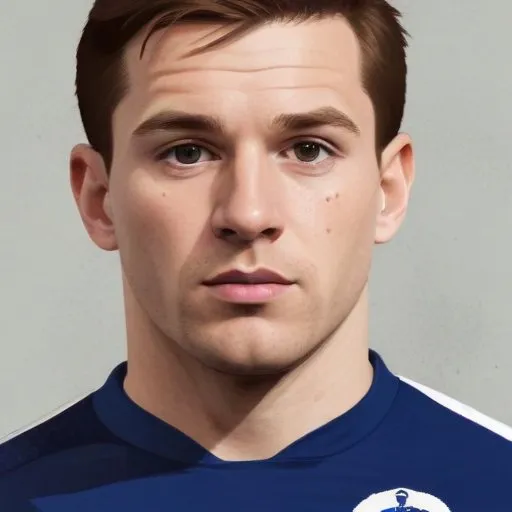
Scottish footballer who played as a winger for clubs like Rangers and Everton, and was capped 11 times for Scotland.
Joe Nibloe, a Scottish professional footballer, left an indelible mark on the sport, playing for esteemed clubs like Kilmarnock, Aston Villa, and Sheffield Wednesday between 1924 and 1939. This fearless full-back, capable of playing on either flank, made 459 club appearances, including cup games, and earned 11 caps for Scotland.
Born on November 23, 1903, in Corkerhill, a small hamlet near Glasgow, Nibloe was a late bloomer in the world of football. Before turning pro, he worked as a brass moulder at the Harland and Wolff shipyard in Govan, playing part-time amateur football for Glencairn Green, Shawfield Juniors, and Rutherglen Glencairn.
In June 1924, Nibloe signed with Kilmarnock, initially playing as a centre forward. However, it was his conversion to a left-back that catapulted his career. Despite a slow start, he became a regular in his second season, making 279 appearances for Killie in major competitions.
In 1932, Nibloe joined Aston Villa for £1,800, following a disagreement with Kilmarnock over a benefit match. He continued to impress, making 132 consecutive league appearances between October 1925 and February 1929.
Nibloe's final move was to Sheffield Wednesday, where he concluded his 15-year professional career. He earned 11 caps for Scotland, cementing his reputation as a formidable full-back.
Nibloe was part of an elite group of players who won national cup winners' medals in both England and Scotland. He played in three cup finals within six years, a testament to his skill and dedication.
Joe Nibloe's remarkable career serves as an inspiration to aspiring footballers, demonstrating the rewards of perseverance and adaptation in the face of adversity.
Joe Nibloe's legacy continues to captivate football enthusiasts, a shining example of talent, hard work, and the unwavering pursuit of excellence.
Born in 1877
Scottish international footballer who played as a left-back and earned 11 caps for Scotland between 1900 and 1904. He was a member of the Heart of Midlothian team that won the Scottish Cup in 1901.
