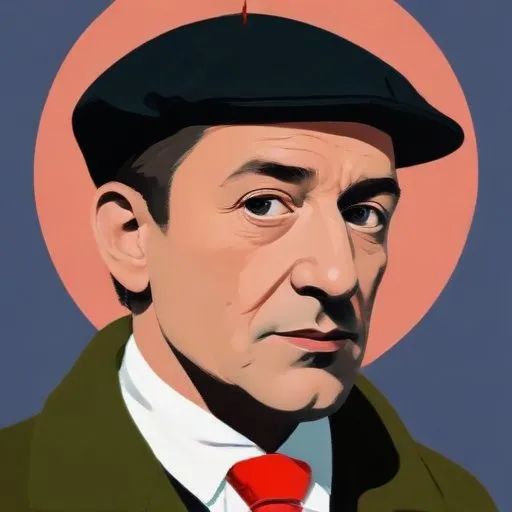
Johann Nepomuk Schdlberger: The Austrian Master of Landscapes
A Pioneering Painter of His Time
Johann Nepomuk Schdlberger was a renowned Austrian painter celebrated for his breathtaking landscapes, often infused with subtle figural elements. Born in Vienna in 1779, Schdlberger's artistic talent was evident from a young age, and he went on to master the art of painting without formal training.
The Early Years: A Self-Taught Prodigy
Schdlberger's journey as an artist began before he could even write. As a child, he would draw and teach other kids, showcasing an innate talent that would eventually take him to great heights. At just eight years old, he started attending secondary school, and it wasn't until four years later that he received his first formal art instruction. This self-taught painter's early life was marked by determination and a passion for art.
A Journey to Mastery: Early Influences and Inspirations
In 1803, Schdlberger embarked on his first painting excursion to Upper Austria and Salzburg, where he was awestruck by the picturesque landscapes. This experience sparked a desire to learn from the masters, leading him to visit the Gemldegalerie Alte Meister in Dresden. There, he copied works by Claude Lorrain and Jacob van Ruisdael, honing his skills and deepening his understanding of the art.
Rise to Prominence: Patrons and Accolades
Schdlberger's original works soon caught the attention of Count Lambert, who purchased several of his pieces and provided crucial publicity. As his reputation grew, he became a favorite among the nobility, including Emperor Francis II. In 1815, Schdlberger was elected to the prestigious Academy of Fine Arts, and the following year, he began teaching there.
Major Works and Commissions: A Journey Through Italy
In 1817 and 1818, Schdlberger undertook an extensive painting trip to Italy, visiting Rome, Naples, and Florence. The resulting works so impressed Emperor Francis II that he arranged for some of Schdlberger's earlier pieces to be placed in the Belvedere. Later, King
Ludwig I of Bavaria would commission major works from this prolific artist.
A Legacy of Landscape Painting
Throughout his life, Schdlberger continued to push the boundaries of landscape painting, leaving behind a rich legacy of works that inspire and delight art lovers to this day. His unique style, marked by subtle figural elements and breathtaking vistas, has cemented his place as one of the greatest Austrian painters of all time.
Notable Students and Contemporaries
Schdlberger's impact extended beyond his own works, as he inspired and taught many notable students, including Ferdinand Georg Waldmller. His influence can be seen in the works of his contemporaries, who were inspired by his innovative approach to landscape painting.
A Lasting Impact on the Art World
Schdlberger's contributions to the world of art are undeniable. His pioneering spirit, passion for landscape painting, and dedication to his craft have left an indelible mark on the art world. As we gaze upon his breathtaking works, we are reminded of the power of creativity and the importance of following one's passion.
FAQ
What was Johann Nepomuk Schödlbergers style of painting?
Johann Nepomuk Schödlberger was an Austrian painter known for his landscapes and genre scenes, characterized by warm colors and attention to detail. He was influenced by the Biedermeier style, a German-speaking cultural movement.
What kind of training did Johann Nepomuk Schödlberger receive?
Johann Nepomuk Schödlberger received his artistic training at the Academy of Fine Arts in Vienna, where he studied under landscape painter Johann Baptist Reiter.
What were some of Johann Nepomuk Schödlbergers notable works?
Some of Johann Nepomuk Schödlbergers notable works include The Marketplace in Vienna and The Courtyard of the Hofburg Palace. His paintings often depicted everyday life in Vienna and the Austrian countryside.
What was Johann Nepomuk Schödlbergers contribution to Austrian art?
Johann Nepomuk Schödlberger was an important figure in Austrian art, contributing to the development of the Biedermeier style and influencing later artists such as Ferdinand Georg Waldmüller.
When did Johann Nepomuk Schödlberger die?
Johann Nepomuk Schödlberger died in 1853, leaving behind a body of work that remains an important part of Austrian cultural heritage.