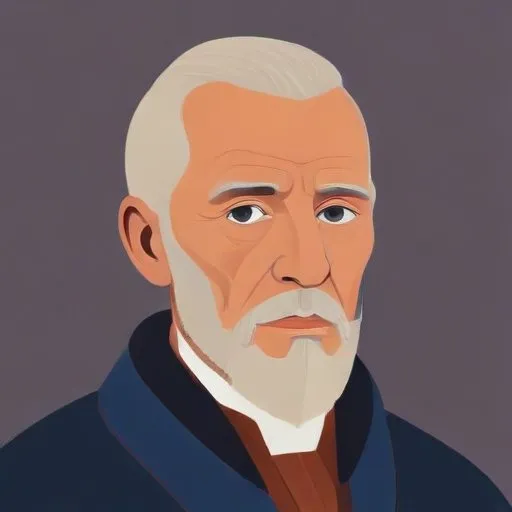
Johannes Vodnianus Campanus: A Renaissance Polymath
A Master of Many Trades
Johannes Vodnianus Campanus, a Czech humanist, composer, pedagogue, poet, and dramatist, left an indelible mark on the cultural and educational landscape of 17th-century Europe. Born on December 27, 1572, in Vodany, southern Bohemia, Campanus' multifaceted talents made him a towering figure in the Renaissance era.
Education and Academic Pursuits
Campanus' academic journey began at the University of Prague, where he earned his Master of Liberal Arts degree in 1596. He went on to teach in Prague and Kutn Hora, before assuming the role of a professor of Greek and Latin at the University of Prague in 1603. His expertise in history and Latin poetry also earned him multiple appointments as dean, prorector, and rector of the university.
Literary Contributions
Campanus' literary works, primarily written in Latin, but also in Czech, Greek, and German, showcased his mastery of various genres. His play,
Betislav und Jitka (1614), was critical of the dukes of Bohemia, earning it a ban. Nevertheless, his works were widely recognized in Europe for their metrical perfection.
Compositions and Musical Legacy
Campanus' first collection of musical works,
Sacrarum odarum libri duo, was published in Frankfurt in 1613. The
Sacrarum odarum, featuring the renowned
Rorando coeli, comprises primarily short vocal works set in a simple, homorhythmic style. His chants, including
Ad Jehovam and
Rorando coeli, demonstrate the double choir technique, evoking the more complex antiphonal works of his contemporaries in Venice.
Poetic Works and Inspirations
Campanus' poems, such as
Tristitia and
Surge iam linquens, reflect his mastery of verse and prosody. His
Heilige Oden and
Posvtn dy Umdichtung der Psalmen Davids showcase his ability to craft sacred poetry.
Historical Significance and Legacy
Campanus' contributions to the fields of literature, music, and education have left a lasting impact on Bohemian culture. His
Turcicorum tyrannorum qui inde usque ab Otomanno rebus Turcicis praefuerunt, descriptio (1597) and
Čechias, a history of Bohemia in verse form, demonstrate his commitment to preserving and promoting Czech heritage.
A Life of Transition and Devotion
Campanus' life was marked by a significant transition in 1622, when he renounced his Hussite faith and converted to Catholicism. This transformation underscores his commitment to spiritual exploration and growth.
Conclusion
Johannes Vodnianus Campanus' diverse achievements and contributions have cemented his place as a true Renaissance polymath. His works continue to inspire and inform scholars, artists, and educators to this day, serving as a testament to the power of human creativity and intellectual curiosity.
FAQ
Who was Johannes Vodnianus Campanus, and what were his contributions to literature?
Johannes Vodnianus Campanus was a Czech poet, playwright, and composer who made significant contributions to Czech literature during the Renaissance. He is best known for his poetry and plays, which explored themes of love, morality, and national identity.
What were Johannes Vodnianus Campanuss most famous works?
Johannes Vodnianus Campanuss most famous works include his poetry collections, such as Carmen de sententia and Elegiae, as well as his plays, including Comedia de vera philosophia and Tragoedia de ultoribus.
How did Johannes Vodnianus Campanuss work reflect the Renaissance humanist ideals?
Johannes Vodnianus Campanuss work reflected the Renaissance humanist ideals of classical learning, moral virtue, and individualism. His poetry and plays explored themes of humanism, emphasizing the importance of education, reason, and individual agency.
What were Johannes Vodnianus Campanuss relationships like with other Renaissance figures?
Johannes Vodnianus Campanus was part of a network of Renaissance humanists and scholars, including figures such as Erasmus and Philipp Melanchthon. He corresponded with these figures and was influenced by their ideas and writings.
How did Johannes Vodnianus Campanuss legacy impact Czech literature?
Johannes Vodnianus Campanuss legacy has had a lasting impact on Czech literature, influencing generations of writers and shaping the development of Czech poetry and drama.