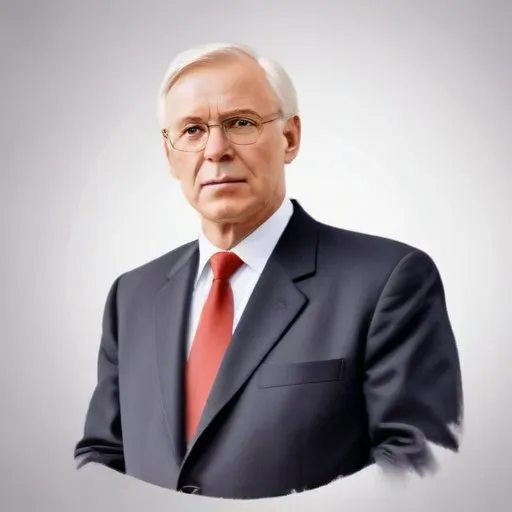
John B. Anderson: The Maverick Politician and Advocate for Electoral Reform
A Independent Spirit in American Politics
John B. Anderson is perhaps best known for his historic independent presidential campaign in 1980, which shook the foundations of American politics and earned him 6.6% of the popular vote. As a seasoned politician, lawyer, and advocate for electoral reform, Anderson's legacy extends far beyond his presidential bid, encompassing a lifetime of public service, outspoken criticism of government policies, and a passion for creating a more just and representative democracy.
Early Life and Career
Born on February 15, 1922, in Rockford, Illinois, Anderson served in the United States Army during World War II before graduating from the University of Illinois College of Law. He practiced law and later worked in the United States Foreign Service, eventually becoming the States Attorney for Winnebago County, Illinois.
Rise to Prominence in the House of Representatives
Anderson's political career took off in 1960 when he was elected to the United States House of Representatives, representing Illinois's 16th congressional district. Initially a conservative Republican, Anderson's views gradually moderated, particularly on social issues, as he became more disillusioned with his party's stance. He rose through the ranks, becoming the Chairman of the House Republican Conference from 1969 to 1979.
A Voice of Dissent and Criticism
Anderson was an outspoken critic of the Vietnam War and President
Richard Nixon's handling of the Watergate scandal. His opposition to the war and his calls for Nixon's impeachment earned him a reputation as a maverick politician who refused to toe the party line.
The 1980 Presidential Campaign
Anderson's most notable moment came in 1980 when he launched an independent presidential campaign, introducing a bold proposal to raise the gas tax while cutting social security taxes. Although he ultimately finished third behind
Ronald Reagan and
Jimmy Carter, his campaign garnered significant support from Democrats, Republicans, and independents alike.
Electoral Reform and FairVote
After the election, Anderson resumed his legal career and co-founded FairVote, an organization dedicated to promoting electoral reform, including instant-runoff voting systems. His work with FairVote continues to shape the national conversation around electoral reform and voting rights.
Personal Milestones and Legacy
Anderson's life was marked by numerous personal milestones, including his marriage to Keke Macmillan and the birth of their five children. He passed away on December 3, 2017, leaving behind a legacy of public service, advocacy, and a commitment to creating a more just and democratic society.
Philosophical Contributions and Beliefs
Anderson's philosophy was rooted in a deep commitment to public service, social justice, and the principles of democracy. He believed in the power of independent thought and action, often challenging party orthodoxy and conventional wisdom to advocate for what he believed was right.
Impact on Modern Society
Anderson's impact on modern society extends far beyond his political career. His advocacy for electoral reform, his criticism of government policies, and his commitment to social justice have inspired generations of politicians, activists, and ordinary citizens to work towards creating a more just and equitable society.
Influence on Pop Culture
Anderson's 1980 presidential campaign and his advocacy for electoral reform have been referenced in popular culture, including in films, literature, and music. His legacy continues to inspire artists, writers, and musicians to engage with the political process and to challenge the status quo.
Quotes and Memorable Sayings
"I'm not a spoiler, I'm a winner. I'm not trying to take votes away from anyone, I'm trying to win votes." - John B. Anderson, 1980 Presidential Campaign
"Democracy is not a spectator sport. It requires active participation and vigilant citizenship." - John B. Anderson, 2004
Awards and Honors
Anderson received numerous awards and honors for his public service, including the Presidential Medal of Freedom, the highest civilian honor in the United States.
Trivia and Fun Facts
- Anderson was a talented musician and played the piano in a jazz band during his college days.
- He was an avid reader and devoured books on history, philosophy, and politics.
- Anderson was a passionate advocate for environmental protection and conservation.
John B. Anderson's life and legacy serve as a testament to the power of independent thought, public service, and advocacy. His commitment to creating a more just and democratic society continues to inspire generations of Americans to work towards a better future.