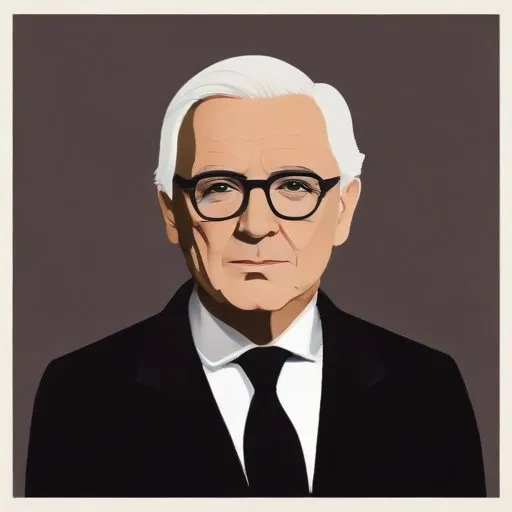
John Birt, Baron Birt: A Visionary Leader in British Television
A Legacy of Innovation and Controversy
John Birt, Baron Birt, is a renowned British television executive and businessman, best known for his tenure as the Director-General of the BBC from 1992 to 2000. During his leadership, he oversaw a significant restructuring of the organization, paving the way for the digital broadcasting era and cementing his place as a pioneering figure in British television.
Early Life and Career
Born on December 10, 1944, in Liverpool, Birt was raised in a Catholic family and educated at St. Mary's College, Crosby, and later at St. Catherine's College, Oxford, where he graduated with a third-class degree in engineering. His early career in television began at Granada Television, where he worked from 1966 to 1971, producing the magazine program "Nice Time" and later joining the acclaimed current affairs series "World in Action."
Rise to Prominence
Birt's expertise in current affairs led to his appointment as Deputy Director-General of the BBC in 1987. Following the forced departure of
Alasdair Milne, Birt became the Director-General of the BBC, a position he held for eight years. During his tenure, he implemented significant reforms, including the creation of a more commercialized BBC, which sparked both praise and criticism from within and outside the organization.
Key Achievements and Controversies
Birt's leadership style and reforms were often contested, but he is credited with saving the BBC from potential privatisation and preparing it for the digital age. Some of his notable achievements include:
- Introducing a more market-driven approach to BBC programming, increasing its competitiveness and relevance in the global market.
- Launching new channels, such as BBC News 24 and BBC Choice, which expanded the corporation's reach and offerings.
- Restructuring the BBC's management and editorial structures, aiming to increase efficiency and accountability.
However, his tenure was also marked by controversy, including accusations of bureaucratic excess, centralized control, and a perceived shift away from the BBC's traditional public service ethos.
Post-BBC Career and Honors
After leaving the BBC in 2000, Birt served as Strategic Advisor to Prime Minister
Tony Blair from 2001 to 2005. He was appointed Chairman of CPA Global in 2015 and has held non-executive directorships with various companies, including hedge fund manager, GLG Partners.
Birt was elevated to the peerage in 2000, becoming Baron Birt, of Liverpool, in the County of Merseyside. He has received several honorary degrees from British universities, recognizing his contributions to television and public service.
Legacy and Impact
Love him or loathe him, John Birt, Baron Birt, has left an indelible mark on British television and the BBC. His reforms and vision have shaped the direction of the organization, influencing the way it produces and delivers content to this day. As a pioneering figure in his field, Birt's legacy continues to inspire and provoke, sparking debate about the role of public service broadcasting in the digital age.
Personal Quotes and Insights
In his memoir, "The Harder Path," Birt reflected on his time at the BBC, stating, "I was trying to create a new kind of BBC, one that was more adaptable, more innovative, more open to the world outside."
Birt's enduring fascination with the intersection of technology and television has led him to observe, "The digital revolution has turned the old broadcasting model inside out. The challenge now is to rethink what public service broadcasting means in the 21st century."
Through his remarkable career and lasting impact, John Birt, Baron Birt, has left an indelible mark on the world of British television, challenging conventional thinking and pushing the boundaries of what is possible in public service broadcasting.