


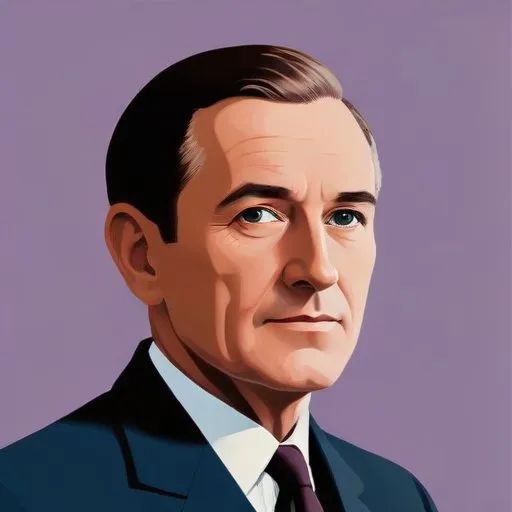
Australian High Commissioner to Ceylon, playing a key role in establishing diplomatic relations between Australia and Ceylon (now Sri Lanka) in the 1940s. He facilitated significant economic and cultural exchanges between the two nations.
John Burton, a renowned Australian public servant, high commissioner, and academic, left an indelible mark on the fields of international relations and conflict resolution. He is primarily known for introducing the concept of "rooted causes of conflict," which attributes the source of conflicts to unmet human needs.
Born on March 2, 1915, in Melbourne, Australia, Burton was the son of Rev. John Wear Burton, a Methodist minister. He was educated at Newington College from 1924 to 1932 and later graduated from the University of Sydney in 1937.
Burton's illustrious career in public service began in 1937, when he joined the Commonwealth Public Service. In 1941, he became a part of the Department of External Affairs, serving as private secretary to Herbert Vere Evatt. By 1947, at the age of 32, Burton had risen to become the Secretary of the Department of External Affairs, a position he held until 1950. He then went on to serve as the Australian High Commissioner to Ceylon (now Sri Lanka) from 1951.
Burton's academic career was marked by significant contributions to the field of international relations. While writing his first book, The Alternative, he farmed outside Canberra. In 1960, he was awarded a fellowship at the Australian National University. The Rockefeller Foundation granted him a fellowship in 1962 to study neutralism in Africa and Asia. Burton's most notable achievement was establishing the Centre for the Analysis of Conflict at University College, University of London, in 1963.
Burton's groundbreaking work on conflict resolution led to the development of the concept of "rooted causes of conflict." He believed that conflicts often arise from unmet human needs, such as the need for identity, participation, and social equality. According to Burton, social inequalities and barriers to people's needs can lead to violent conflicts. This understanding has had a profound impact on the field of conflict resolution and has influenced many scholars and practitioners.
John Burton's contributions to international relations, conflict resolution, and academia have left a lasting legacy. His concept of rooted causes of conflict has inspired new approaches to conflict resolution and has influenced policymakers and scholars worldwide. Burton's work continues to be relevant today, offering valuable insights into the complexities of human conflict and the importance of addressing the underlying needs that drive them.
Burton's personal life was marked by significant milestones, including his attempt to contest the Federal election of 1951 in the electorate of Lowe, although he was unsuccessful. Despite this setback, he continued to pursue his passions, combining his academic and diplomatic careers to make a lasting impact on the world.
John Burton's life and work serve as a testament to the power of innovative thinking and dedication to creating a more peaceful world. His contributions to the fields of international relations and conflict resolution continue to inspire and inform scholars, policymakers, and practitioners today.
Born in 1894
Physicist and inventor credited with creating the microwave oven, revolutionizing cooking and food preparation. This innovation has had a lasting impact on modern kitchens and daily life.
Born in 1894
The 12th Prime Minister of Australia, a lawyer-turned-politician who played a crucial role in shaping the country's post-war economy and foreign policy, and is often credited with establishing the modern Australian identity.
Born in 1914
Australian Minister for Foreign Affairs who served from 1969 to 1971, known for his role in shaping the country's foreign policy during a tumultuous period in world history.
