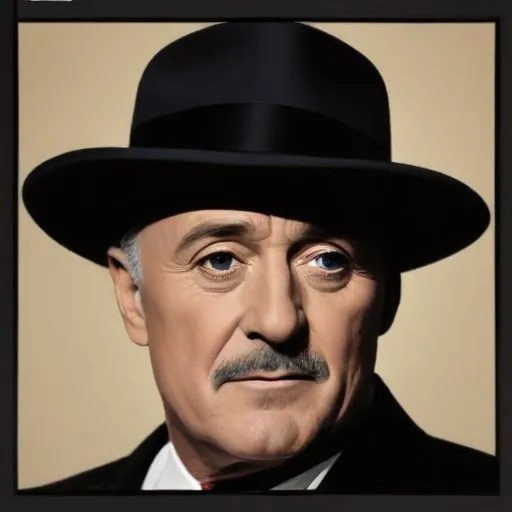
John Dehner: The Virtuosic Actor of Radio and Screen
A Prolific Career in Performance
John Dehner, born John Dehner Forkum, was a stalwart of American radio, television, and film, amassing an impressive repertoire of over 300 credits across various mediums. He was particularly renowned for his portrayal of sophisticated con men, shady authority figures, and smooth-talking villains, earning him a distinctive niche in the entertainment industry.
Radio Renaissance
Dehner's most notable starring role was as Paladin on the radio version of the television Western
Have Gun – Will Travel, which aired for 106 episodes on CBS from 1958 to 1960. This critically acclaimed performance showcased his exceptional vocal range and characterization skills, cementing his status as a radio actor par excellence. During the golden age of radio, Dehner accumulated hundreds of additional credits on nationally broadcast series, solidifying his position as a master of the medium.
A Diversified Portfolio
In addition to his radio work, Dehner appeared in numerous film and television productions, including features, televised series, and made-for-TV movies. Notable roles include appearances in
Columbo episodes "Swan Song" (1974) with
Johnny Cash and "Last Salute to the Commodore" (1976), as well as a two-part episode of
Mission Impossible. Dehner's versatility and range allowed him to navigate a variety of genres with ease, from Westerns to crime dramas.
Early Life and Influences
Born on November 23, 1915, in New York City on Staten Island, John Dehner was the middle child of three children to Ella Susana (née Dehner) and Ralph LeRoy Forkum. His father, an accomplished artist, was widely recognized in the United States for his landscape paintings, illustrations, and stage backgrounds. Dehner's mother, a gifted musician, often collaborated with her husband on art projects, co-crediting her contributions to his work. This artistic upbringing undoubtedly instilled in Dehner a deep appreciation for the creative arts, paving the way for his future success.
Behind the Scenes
Dehner's early career included a brief stint as an assistant animator at
Walt Disney Studios from 1940 to March 1941. During this time, he honed his skills and developed an understanding of the animation process, which would later serve him well in his voice acting roles. Dehner's experience in animation also influenced his approach to character development, allowing him to bring a unique depth to his performances.
Legacy and Impact
John Dehner's extensive body of work has left an indelible mark on the entertainment industry. His mastery of radio, television, and film has inspired generations of actors, and his iconic performances continue to captivate audiences to this day. As a testament to his enduring legacy, Dehner's contributions to the world of performance remain a vital part of American cultural heritage.
FAQ
What was John Dehners acting career like?
John Dehner had a long and successful acting career, appearing in numerous films, television shows, and stage productions. He was a versatile actor who played a wide range of roles, from villains to heroes.
What were some of John Dehners most notable roles?
John Dehners most notable roles include his performances in The Right Stuff, The Doris Day Show, and The Twilight Zone. He was a familiar face on television and in film, with a career spanning multiple decades.
What was John Dehners experience as a radio actor?
John Dehner got his start in radio, performing in numerous radio dramas and comedies. He was a skilled radio actor, known for his distinctive voice and impressive range.
What was John Dehners role in the Actors Equity Association?
John Dehner was an active member of the Actors Equity Association, serving on the unions council and advocating for actors rights. He was a respected figure in the acting community and worked to improve working conditions for actors.
What is John Dehners legacy in American entertainment?
John Dehners legacy in American entertainment is as a talented and versatile actor, who brought joy and excitement to audiences through his many performances. He is remembered fondly by fans of film, television, and radio.