


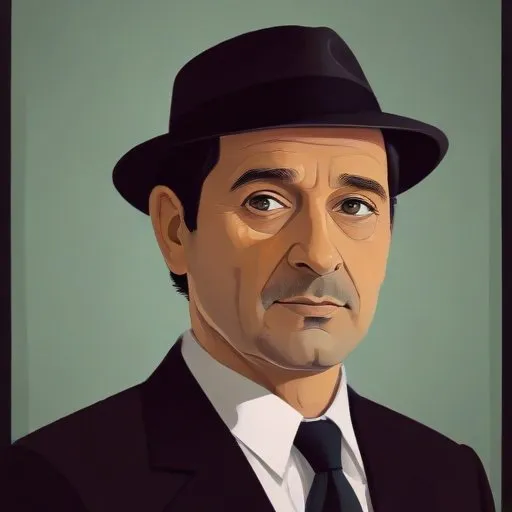
A pioneering documentary filmmaker and screenwriter, known for his innovative storytelling and socially conscious themes, often exploring the human condition.
John Krish, a British film director and screenwriter, is renowned for capturing the essence of post-war Britain through his thought-provoking documentaries and feature films. His work has not only preserved the nation's cinematic heritage but has also inspired generations of filmmakers to come.
Krish's fascination with the human experience led him to create documentaries that were both intimate and informative. His 1953 film, The Elephant Will Never Forget, is a poignant portrayal of the London tram system, which won him critical acclaim and established him as a master storyteller. This film, along with They Took Us to the Sea (1961), Our School (1962), and I Think They Call Him John (1964), formed part of the British Film Institute's compilation, A Day in the Life: Four Portraits of Post-War Britain, which won the Best Documentary Award at the 2010 Evening Standard British Film Awards.
Born on December 4, 1923, in London, Krish's early life was marked by a passion for storytelling and a keen observation of the world around him. After serving in the Royal Air Force during World War II, he began his career in film as an editor, working on projects such as General Election 1945, a documentary that explored the first general election in Britain after the war.
In addition to his documentaries, Krish ventured into feature films, directing and writing The Wild Affair (1963), a romantic comedy starring Nancy Kwan, and The Man Who Had Power Over Women (1970), a psychological thriller. His work in television included the 1975 short film, Drive Carefully, Darling, and the 1979 film, Jesus, codirected with Richard Beynon.
Krish's contributions to British cinema have been recognized with numerous awards and honors. His body of work serves as a testament to his unwavering dedication to capturing the essence of human experience, and his influence can be seen in the work of many contemporary filmmakers. The British Film Institute's tribute to Krish's life and work is a fitting recognition of his enduring legacy in the world of cinema.
"I'm a storyteller, and I think that's the most important thing in film – to tell a story that people can relate to."
Throughout his life, Krish remained committed to his craft, inspiring future generations of filmmakers to follow in his footsteps. His remarkable body of work continues to captivate audiences, offering a glimpse into Britain's rich cultural heritage.
90 Years Old
A renowned filmmaker acclaimed for crafting gritty, socially conscious dramas that often spotlight the struggles of the working class. His films frequently spark controversy and ignite important conversations.
Born in 1923
A pioneering figure in British Free Cinema, known for directing provocative, socially conscious films that critique the establishment, such as "If...." and "O Lucky Man!".
98 Years Old
Acclaimed director and producer of provocative, socially conscious films that often explored themes of class, identity, and morality, earning numerous awards and nominations.
Born in 1926
A renowned actor and director, he brought complex characters to life on screen, earning numerous awards and nominations, including an Academy Award for Best Director. 42
Born in 1923
A renowned actor, director, and producer who brought iconic films like "Gandhi" and "Jurassic Park" to life, earning numerous awards and accolades.
Born in 1920
Acclaimed filmmaker behind iconic James Bond movies and family-friendly classics, leaving an indelible mark on the cinematic landscape.
Born in 1908
Acclaimed filmmaker behind epic, visually stunning movies like "Lawrence of Arabia" and "Doctor Zhivago", known for his meticulous attention to detail and sweeping cinematography.
