


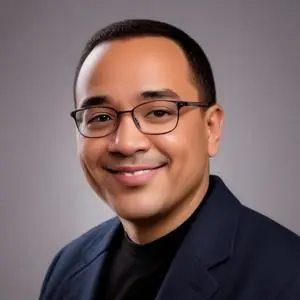
Renowned linguist and academic expert on language change, dialects, and race relations, shedding light on the complexities of human communication.
John McWhorter is a renowned American linguist who has made a name for himself by challenging the status quo in the field of linguistics. With a specialty in creole languages, sociolects, and Black English, McWhorter has become a leading authority on the intricacies of language and its relationship with culture.
McWhorter was born on October 6, 1965, in Philadelphia to a college administrator father and a social work professor mother. He attended Friends Select School in Philadelphia and later enrolled in Simons Rock College, where he earned an AA degree. He then went on to earn a BA degree in French from Rutgers University and an MA degree in American Studies from New York University. McWhorter earned his PhD degree in linguistics from Stanford University in 1993.
McWhorter is known for his unapologetic stance on language and culture. He believes that language is a reflection of culture and that it has the power to shape our perceptions of the world around us. He has been vocal about the need to recognize and celebrate the diversity of languages and dialects, particularly Black English, which he argues has been marginalized and stigmatized.
McWhorter's work has had a significant impact on modern society, particularly in the realm of language and education. His advocacy for the recognition of Black English as a legitimate dialect has led to a shift in the way language is taught and perceived in American schools. His work has also sparked important conversations about language, culture, and power.
McWhorter has been at the center of several controversies, including criticism for his views on Black English and his perceived alignment with conservative ideologies. However, he remains unapologetic about his stance, arguing that his goal is to spark critical thinking and challenge the status quo.
"Language is not just about communication; it's about identity, culture, and power."
"We need to recognize that Black English is not just a dialect, but a language that has its own grammar, syntax, and idioms."
McWhorter's work is often compared to that of other linguists, such as Noam Chomsky and William Labov. While Chomsky's work focuses on the universal principles of language, McWhorter's work highlights the diversity of languages and dialects. Labov's work on sociolinguistics has also influenced McWhorter's research on the social context of language.
McWhorter's work has had a profound impact on the field of linguistics, challenging traditional notions of language and culture. His advocacy for the recognition of Black English has led to a shift in the way language is taught and perceived in American schools. His work has also sparked important conversations about language, culture, and power.
97 Years Old
Developed groundbreaking theories on language acquisition and universal grammar, and is a prominent critic of power and propaganda in modern society.
72 Years Old
A renowned expert in language, human nature, and rationality, known for bestselling books that explore the human condition, such as "The Blank Slate" and "Enlightenment Now".
96 Years Old
A Pulitzer Prize-winning journalist and author, known for his witty and insightful commentary on politics and language, writing a syndicated column and several books on etymology.
85 Years Old
A Pulitzer Prize-winning journalist and author, known for his conservative commentary and insightful writings on politics and society.
77 Years Old
A provocative and influential writer who tackled topics like politics, literature, and religion with wit and intellectual rigor, leaving a lasting impact on modern discourse.
74 Years Old
Witty and insightful writer of travelogues, science explanations, and humorous essays that explore the human experience. Known for making complex topics entertaining and accessible.
