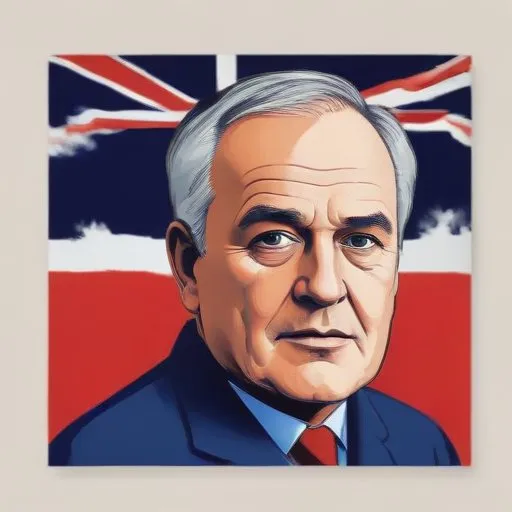
Sir John Murray: The Father of Modern Oceanography
A Pioneering Spirit in Marine Science
Sir John Murray is renowned for his groundbreaking contributions to the fields of oceanography, marine biology, and limnology. He is credited with laying the foundation of modern oceanography, revolutionizing our understanding of the world's oceans and their intricate relationships with the environment.
Early Life and Education
Born on March 3, 1841, in Cobourg, Canada West (now Ontario), Murray was the second son of Robert Murray, an accountant, and his wife Elizabeth Macfarlane. His parents had emigrated from Britain to Ontario in about 1834. Murray's early education took place in London, Ontario, and later at Cobourg College. In 1858, he moved to Stirling, Scotland, to live with his grandfather, John Macfarlane, and pursue his education at Stirling High School.
From Medicine to Marine Science
Murray initially enrolled in the University of Edinburgh to study medicine in 1864. However, he did not complete his studies and instead joined the whaling ship, Jan Mayen, as a ship's surgeon in 1868. During this seven-month voyage, he collected marine specimens and recorded ocean currents, ice movements, and weather patterns. This experience sparked his passion for marine science, and upon his return to Edinburgh, he re-entered the university to study geology under the tutelage of Sir Archibald Geikie.
The Challenger Expedition: A Turning Point
In 1872, Murray assisted in preparing scientific apparatus for the Challenger Expedition, a four-year voyage that would forever change the course of oceanography. When a position on the expedition became available, Murray joined the crew as a naturalist, collecting marine samples, making observations, and improving marine instrumentation. This experience not only shaped his career but also laid the foundation for his future work.
Legacy and Contributions
After the Challenger Expedition, Murray became Chief Assistant at the Challenger offices in Edinburgh, where he managed and organized the vast collection of marine specimens. Following the death of
Charles Wyville Thomson in 1882, Murray became the Director of the office and dedicated himself to publishing the results of the expedition. In 1896, he published
The Report on the Scientific Results of the Voyage of HMS Challenger, a monumental work comprising over 50 volumes of reports.
Murray's contributions to oceanography are immeasurable. He:
- Developed new methods for collecting and analyzing marine samples
- Conducted extensive research on ocean currents, temperature, and salinity
- Established the importance of marine science in understanding global climate patterns
- Fostered international cooperation in oceanographic research
Awards and Honors
Murray's groundbreaking work was recognized with numerous awards and honors, including:
- Fellow of the Royal Society of Edinburgh (1877)
- Fellow of the Royal Society of London (1897)
- Gold Medal of the Royal Geographical Society (1912)
Personal Milestones and Key Life Events
Throughout his life, Murray was driven by a passion for discovery and a commitment to advancing marine science. Some notable milestones include:
- Marriage to Isabel Henderson in 1871
- Birth of three children: John, Francis, and Robert
- Knighted in 1898 for his services to science
Historical Context and Legacy
Murray's work had a profound impact on the development of modern oceanography, influencing generations of scientists and researchers. His legacy extends beyond the scientific community, inspiring a deeper appreciation for the world's oceans and their importance in shaping our planet's climate and ecosystems.
Today, Sir John Murray is remembered as a pioneering figure in marine science, whose groundbreaking research and contributions continue to shape our understanding of the world's oceans.
FAQ
What was John Murrays role in Australian politics?
John Murray was an Australian politician who served as the 23rd Premier of Victoria. He was a leader of the Nationalist Party and played a key role in shaping the states politics and governance during the early 20th century.
How did John Murrays government address the challenges of World War I?
John Murrays government played a crucial role in supporting Australias war effort during World War I. He implemented policies to promote recruitment, raise funds, and provide support to soldiers and their families.
What were John Murrays views on immigration and population growth?
John Murray was a strong advocate for immigration and population growth. He believed that immigration was essential for Australias economic development and encouraged the settlement of British migrants in Victoria.
How did John Murrays government address the issue of public health?
John Murrays government introduced several initiatives to improve public health in Victoria, including the establishment of the State Health Department and the implementation of measures to combat diseases such as tuberculosis and influenza.
What legacy did John Murray leave behind?
John Murray left behind a legacy of public service and dedication to the people of Victoria. He played a significant role in shaping the states politics and policies during a critical period in Australian history.