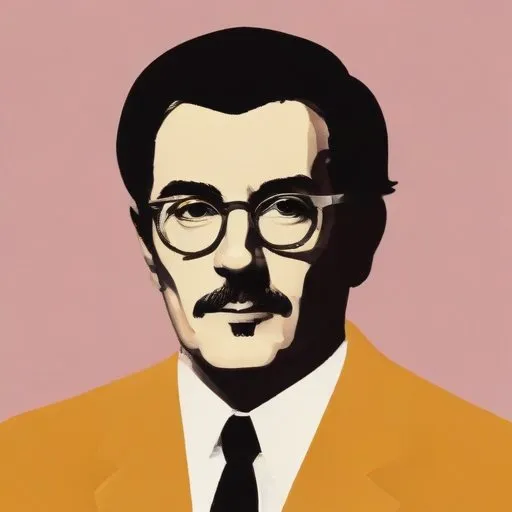
John R. Powers: A Literary Icon of Chicago's South Side
A Legacy of Storytelling and Performance
John R. Powers, a renowned American novelist and playwright, is best known for his semi-autobiographical works of fiction that captured the essence of growing up in 1950s Chicago. His literary masterpieces, including "The Last Catholic in America" and "Do Black Patent Leather Shoes Really Reflect Up", have become classics of Chicago literature, earning him a devoted following and critical acclaim.
Early Life and Education
Born on November 30, 1945, in the Mt. Greenwood neighborhood on Chicago's far southwest side, Powers grew up in a vibrant community that would later inspire his writing. He earned a Ph.D. in Communications from Northwestern University and went on to become a professor of speech and performing arts at Northeastern Illinois University. Powers' educational background also includes an undergraduate degree in sociology from Loyola University and a high school diploma from Brother Rice High School in Chicago.
Literary Career
Powers' writing career spanned multiple genres, including fiction, self-help, and playwriting. His Eddie Ryan Trilogy, comprising "The Last Catholic in America", "Do Black Patent Leather Shoes Really Reflect Up", and "The Unoriginal Sinner and the Ice Cream God", is a testament to his storytelling prowess. These novels, semi-autobiographical in nature, explore the complexities of growing up in Chicago's South Side during the 1950s. His later works, including "The Junk Drawer, Corner Store, Front Porch Blues" and "Odditude", further cemented his reputation as a masterful storyteller.
Awards and Honors
Powers' literary and performance achievements have been recognized with numerous awards, including two Emmy Awards for his writing. In 1984, he received an Emmy for "Lovers and Lanes", written for WMAQ TV channel 5 in Chicago, and in 1988, for "Going Home", written for WLS TV channel 7. His novel "Do Black Patent Leather Shoes Really Reflect Up" was selected for the American Library Association's list of Best Books for Young Adults in 1975.
Performance and Theater
In addition to his writing, Powers was a talented performer and playwright. He wrote the libretto to a Broadway musical based on his novels, as well as two one-man shows, "Scissors, Paper, Rock" and "Life's Not Fair, So What". These performances, which he also starred in, showcased his exceptional storytelling ability and stage presence.
Personal Life and Legacy
Powers lived in Lake Geneva, Wisconsin, with his wife JaNelle Meyers Powers, whom he met while she was performing in the original production of "Do Black Patent Leather Shoes Really Reflect Up". Through his writing and performances, Powers left an indelible mark on Chicago's literary and cultural landscape. His legacy continues to inspire new generations of writers, performers, and readers, ensuring that his stories will be remembered for years to come.
- Notable Works:
- "The Last Catholic in America" (1973)
- "Do Black Patent Leather Shoes Really Reflect Up" (1975)
- "The Unoriginal Sinner and the Ice Cream God" (1977)
- "The Junk Drawer, Corner Store, Front Porch Blues" (1992)
- "Odditude" (2007)
- Awards and Honors:
- Two Emmy Awards for writing
- American Library Association's list of Best Books for Young Adults (1975)
FAQ
What is John R. Powers most famous book?
John R. Powers most famous book is Do Black Patent Leather Shoes Really Reflect Up? which was published in 1975 and became a bestseller.
What genre does John R. Powers primarily write in?
John R. Powers primarily writes in the genre of Catholic fiction, exploring themes of faith and identity.
What awards has John R. Powers won for his writing?
John R. Powers has won several awards for his writing, including the Catholic Press Association Award and the Carl Sandburg Award.
What is John R. Powers writing style?
John R. Powers writing style is characterized by his use of humor, satire, and irony to explore complex themes and ideas.
How does John R. Powers faith influence his writing?
John R. Powers Catholic faith has a significant influence on his writing, shaping his worldview and informing his exploration of themes such as morality and redemption.