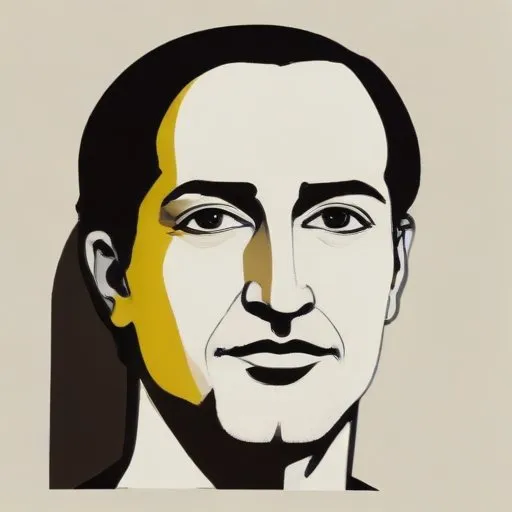
Jonathan Borofsky: The Master of Public Art
A Legendary Sculptor and Printmaker
Jonathan Borofsky is renowned for his iconic
Hammering Man public art sculptures, which have become an integral part of cityscapes worldwide. Born on December 24, 1942, in Boston, Massachusetts, Borofsky's artistic genius has left an indelible mark on modern art.
The Early Years and Education
Borofsky's creative journey began at Carnegie Mellon University, where he earned his Bachelor of Fine Arts in 1964. He further honed his skills at Frances Ecole de Fontainebleau and later received his Master of Fine Arts from Yale University in 1966. This strong educational foundation laid the groundwork for his pioneering work in minimalism and pop art.
Interconnecting Minimalism and Pop Art
In the 1960s, Borofsky's art sought to bridge the gap between minimalism and pop art, creating a unique fusion that captivated audiences. His innovative approach paved the way for a new wave of artists who dared to push boundaries.
The Hammering Man Legacy
Borofsky's most famous works, the
Hammering Man sculptures, have been installed in numerous cities worldwide, including Seoul, Frankfurt, Basel, and New York City. These towering figures, with their hammering arm, symbolize the universal human struggle and have become an iconic representation of urban landscapes.
Other Notable Works
In addition to the
Hammering Man, Borofsky has created several other notable works, including the
Ballerina Clown, a 30-foot-tall kinetic sculpture installed in Venice, California, and later in Aachen, Germany. This mesmerizing piece showcases Borofsky's ability to craft large-scale public art that inspires and delights.
Awards and Honors
Borofsky's contributions to the art world have been recognized with several prestigious awards and honors. In 2006, he received an honorary doctorate in Fine Arts from Carnegie Mellon University, his alma mater.
Legacy and Impact
Jonathan Borofsky's work has not only transformed urban landscapes but has also inspired generations of artists. His unique blend of minimalism and pop art has left an indelible mark on modern art, solidifying his position as a visionary sculptor and printmaker.
Personal Milestones and Key Life Events
- Received Bachelor of Fine Arts from Carnegie Mellon University in 1964
- Received Master of Fine Arts from Yale University in 1966
- Received an honorary doctorate in Fine Arts from Carnegie Mellon University in 2006
Teaching and Philanthropy
Borofsky's commitment to education and philanthropy is evident in his teaching positions and charitable endeavors. Throughout his career, he has shared his knowledge and expertise with students, inspiring a new generation of artists.
A Lasting Legacy
Jonathan Borofsky's remarkable body of work continues to captivate audiences worldwide, leaving an enduring legacy that will inspire future generations of artists and art enthusiasts alike.
FAQ
What is Jonathan Borofskys artistic style?
Jonathan Borofsky is known for his unique blend of figurative and abstract styles, often incorporating elements of surrealism and conceptual art. His sculptures and paintings often explore themes of identity, politics, and social commentary.
What is Jonathan Borofskys most famous artwork?
One of Jonathan Borofskys most famous artworks is Hammering Man, a large-scale sculpture that depicts a figure hammering away at the heavens. The work has been installed in several cities around the world.
What inspires Jonathan Borofskys art?
Jonathan Borofskys art is inspired by a wide range of sources, including mythology, history, and contemporary culture. He often draws on his own personal experiences and emotions to create works that are both deeply personal and universally relatable.
Has Jonathan Borofsky exhibited his work internationally?
Yes, Jonathan Borofskys work has been exhibited in museums and galleries around the world, including the Museum of Modern Art in New York and the Tate Modern in London.
What is the underlying message of Jonathan Borofskys art?
At its core, Jonathan Borofskys art is about exploring the human condition and the search for meaning and purpose in a chaotic world. His works often ask more questions than they answer, inviting viewers to reflect on their own place in the world.